
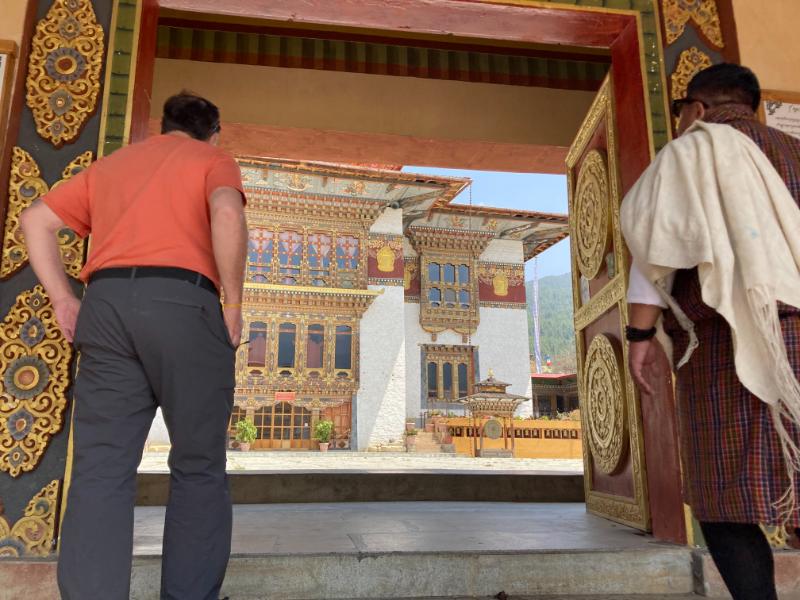

An Atmosphere I Don’t Want to Shake
I’ve been back in New Mexico from visiting Bhutan for a while, and honestly, the world here just seems… loud. Especially the financial news networks. They’re yelling about GDP, and I’m still thinking about the quiet thunk-thunk of a prayer wheel.
When I first touched down in Bhutan, I was armed with a travel bag and my Beer Hiker’s Journal. My primary focus was to explore the beer culture there and take some great hikes. I had heard of the Bhutanese concept of Gross National Happiness (GNH), and I knew a little about Buddhism (as much as any other Beatles fan). I knew there would be an opportunity to learn more about these things in the next two weeks.
This is the final in a series of three stories about travels in Bhutan. Other stories:
Beery Explorations in the Dragon Kingdom
Beer Hiking in Bhutan
When I first touched down in Bhutan, I was armed with a travel bag and my Beer Hiker’s Journal. My primary focus was to explore the beer culture there and take some great hikes. I had heard of the Bhutanese concept of Gross National Happiness (GNH), and I knew a little about Buddhism (as much as any other Beatles fan). I knew there would be an opportunity to learn more about these things in the next two weeks.
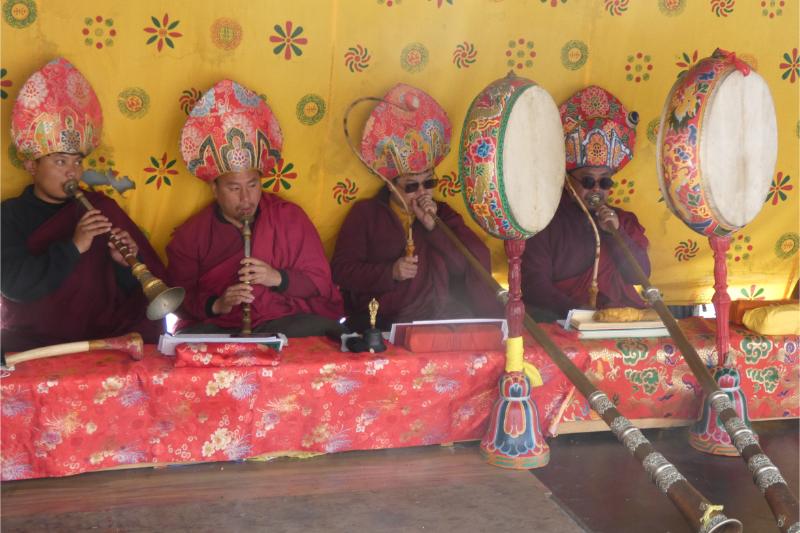
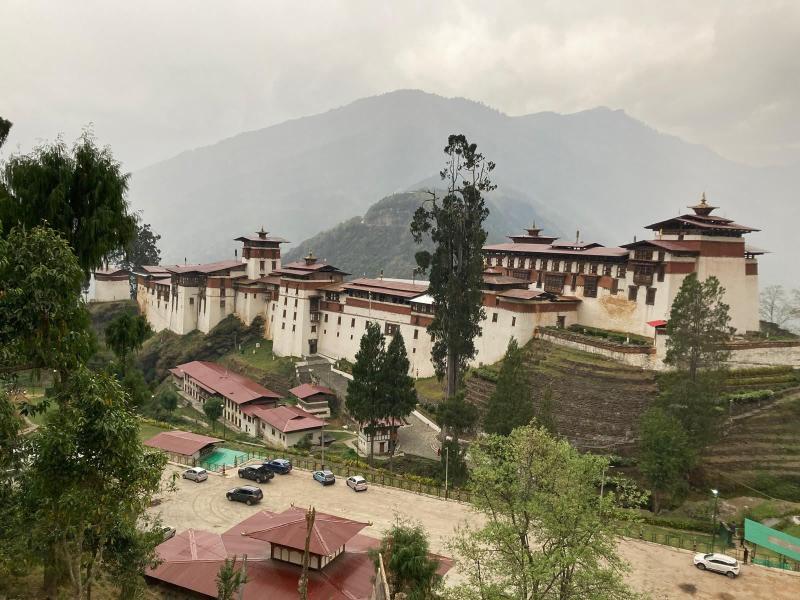
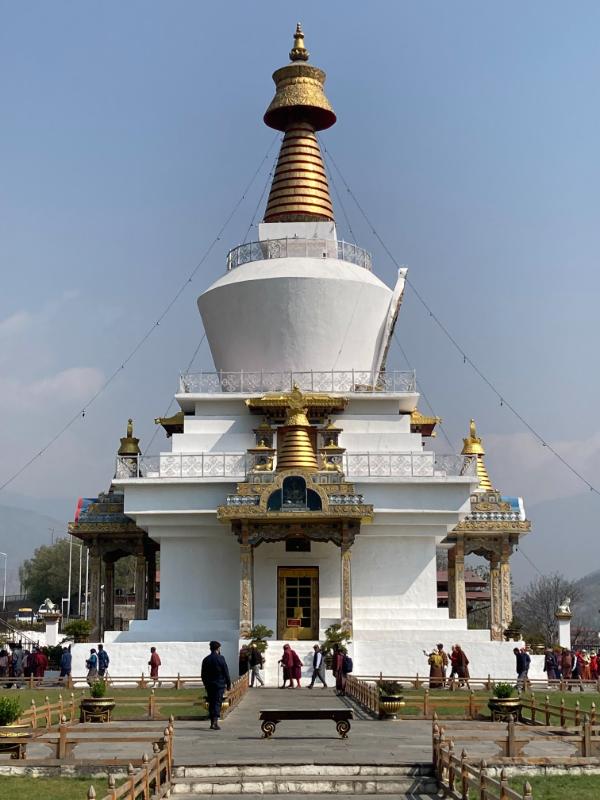
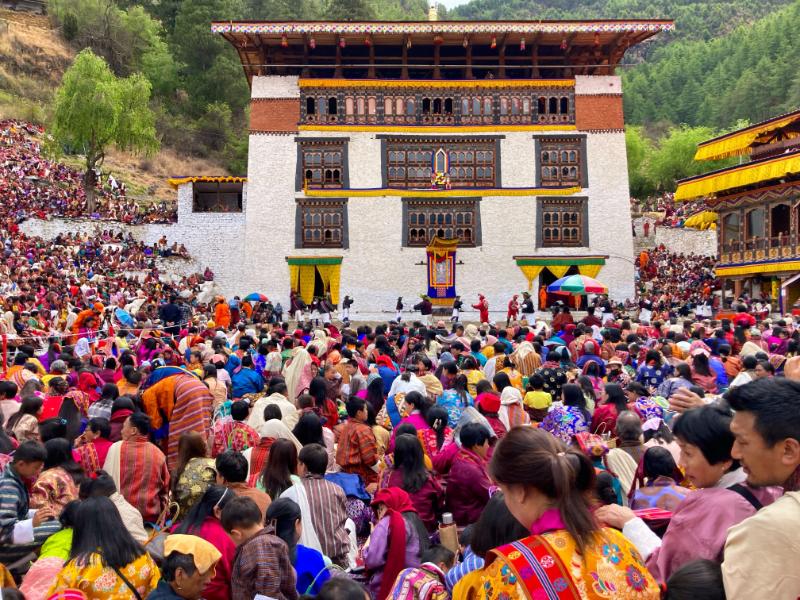
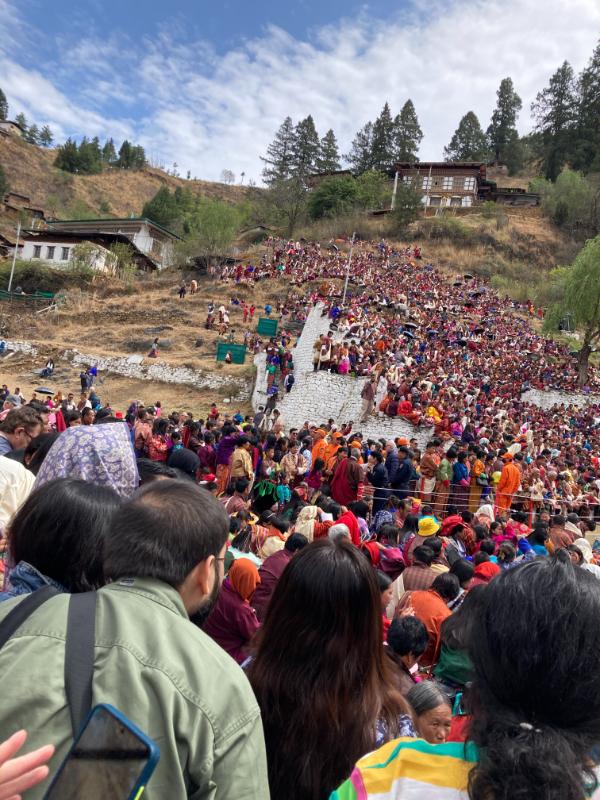
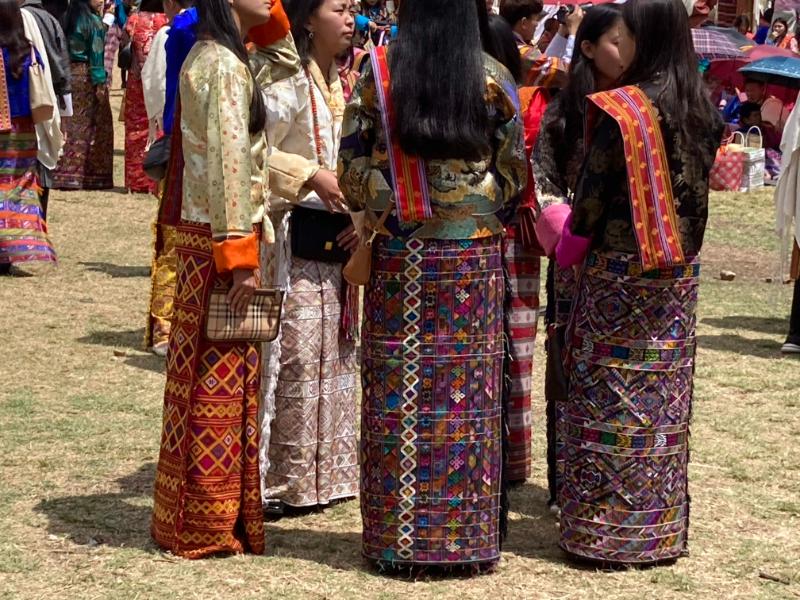
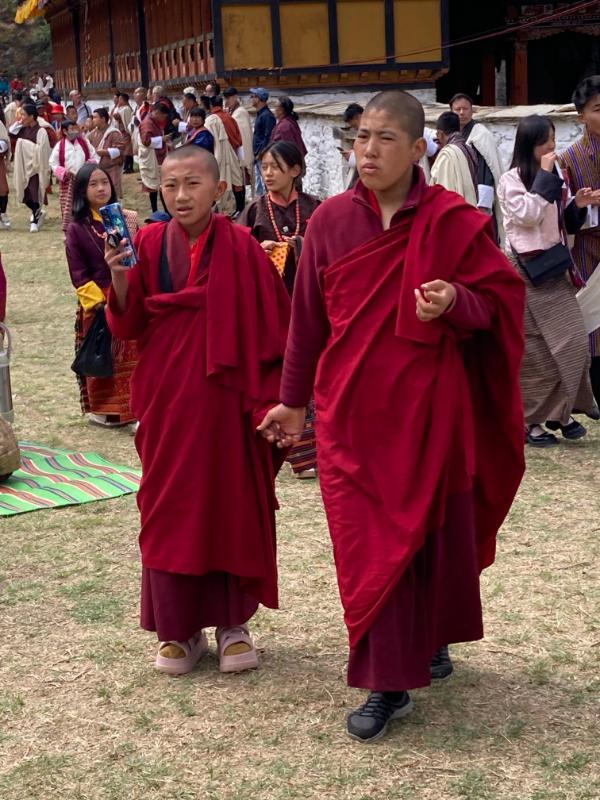
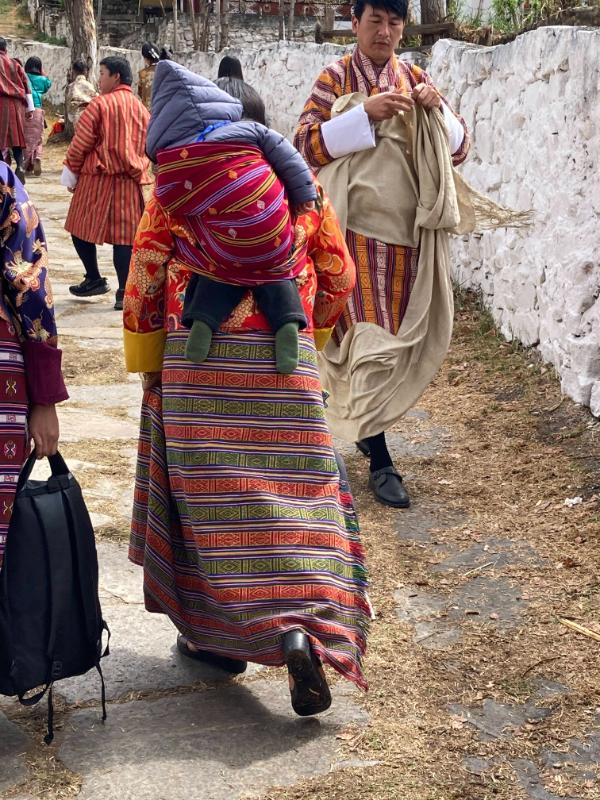
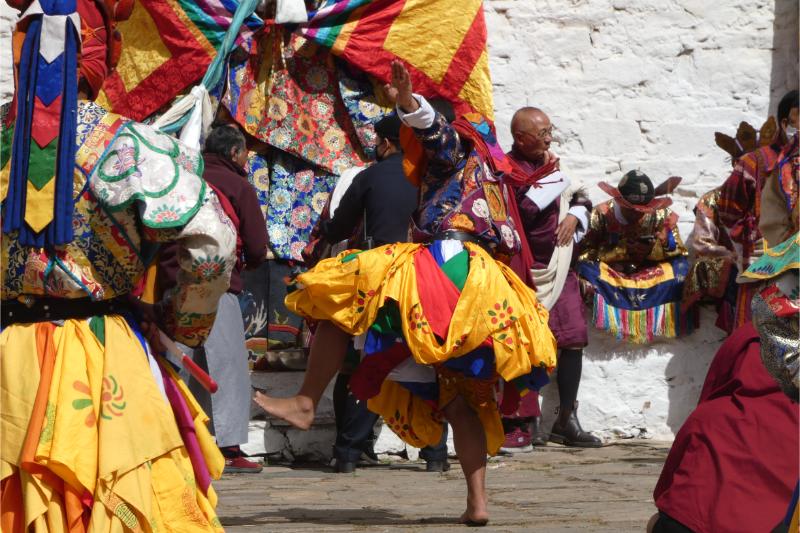
I enjoyed the hikes and the beers I found in Bhutan. Just as much, I enjoyed the people, the culture, and the traditions I encountered. The particular combination of what I learned about GNH and its relationship to the Bhutanese approach to Buddhism created an atmosphere I don’t want to shake.

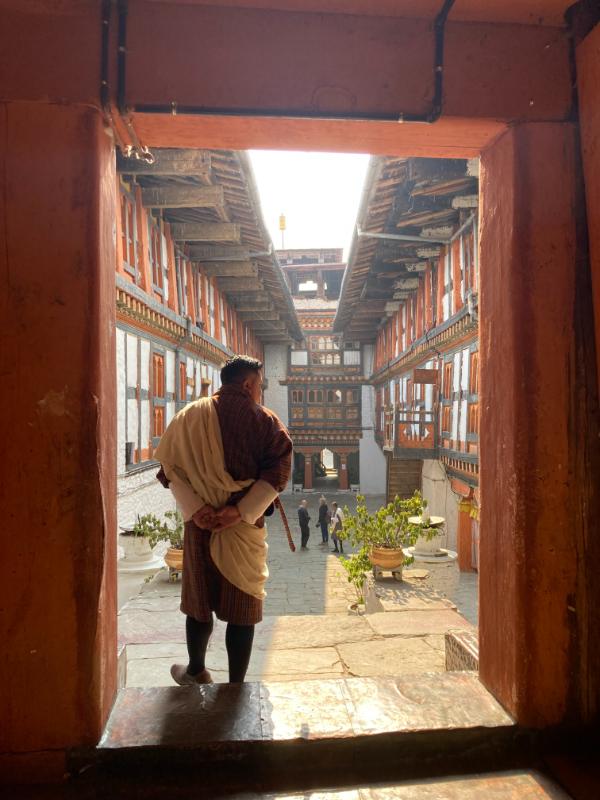
The Shock of the Sacred and the Profane
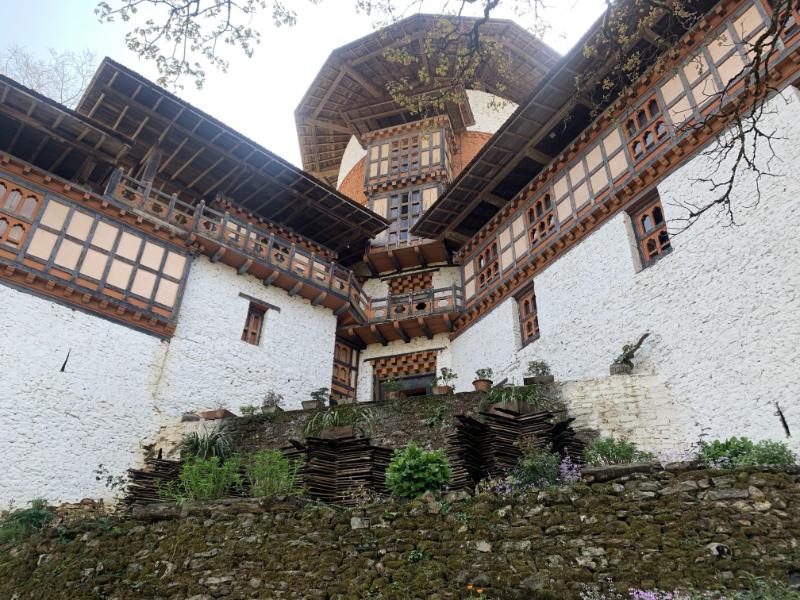
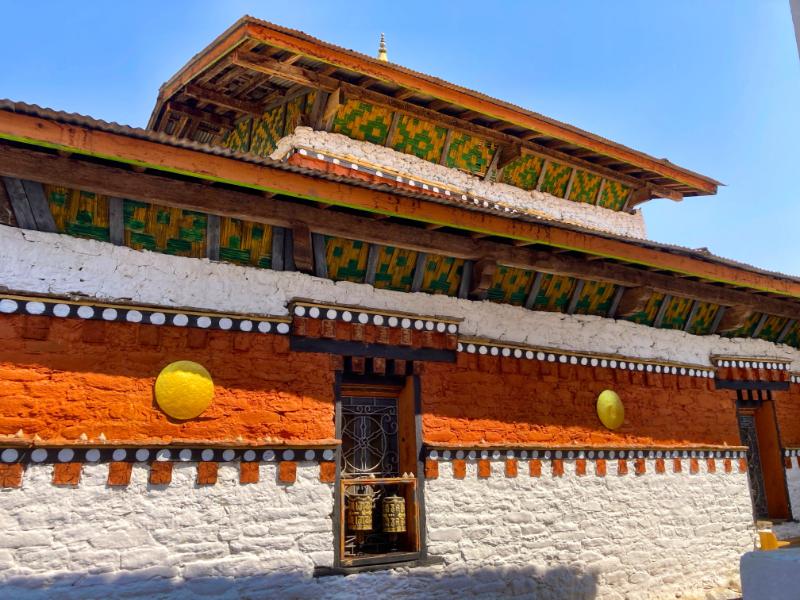
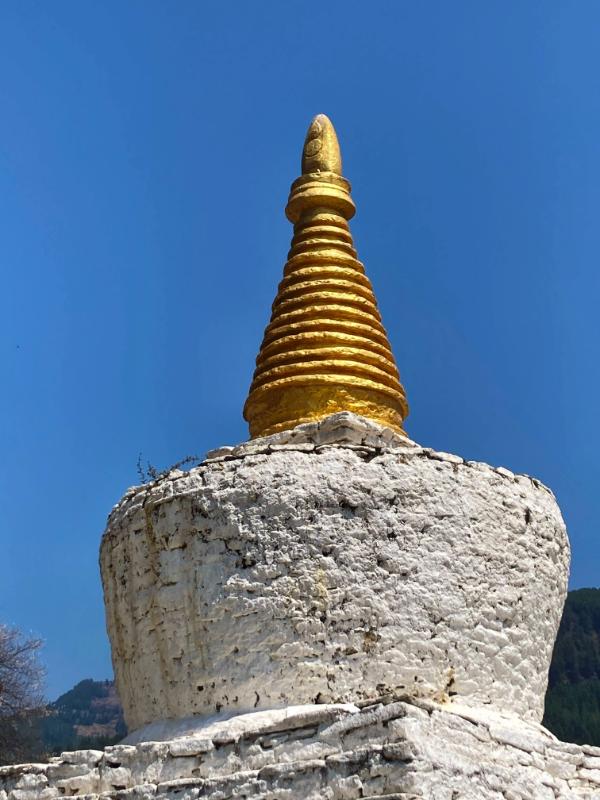
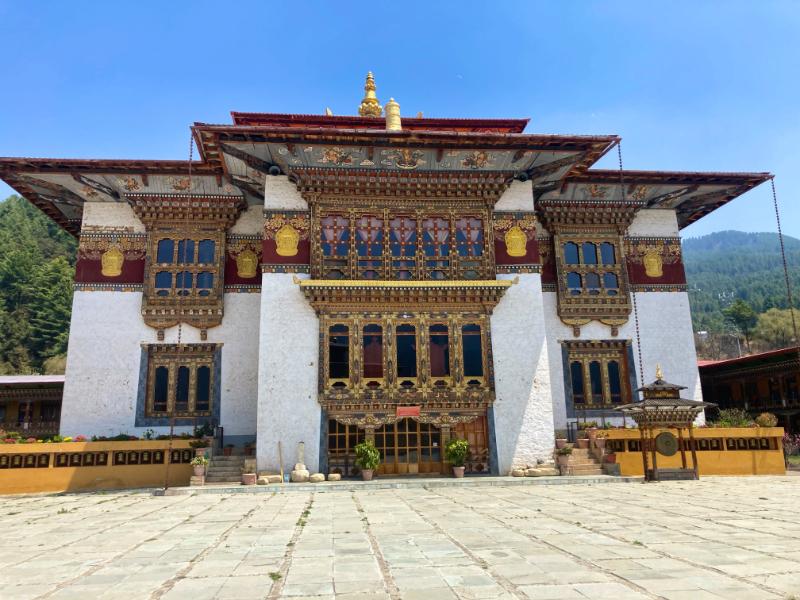
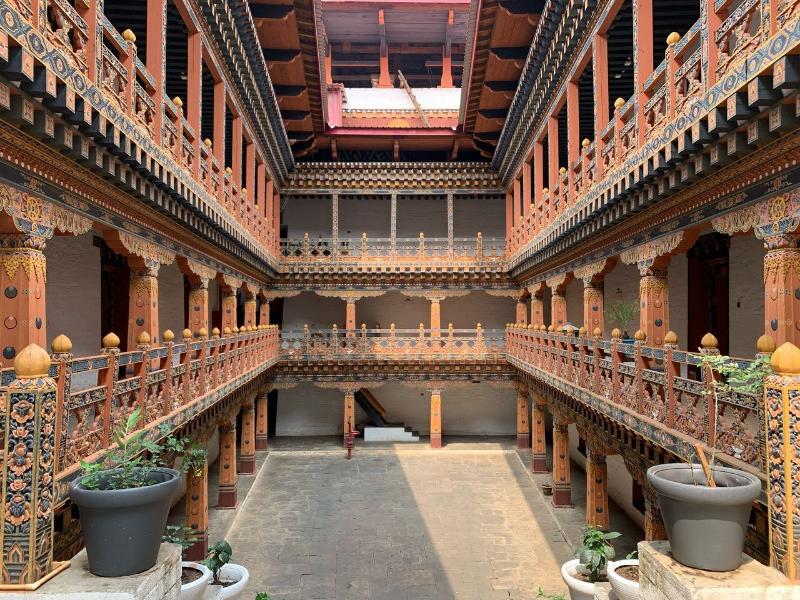
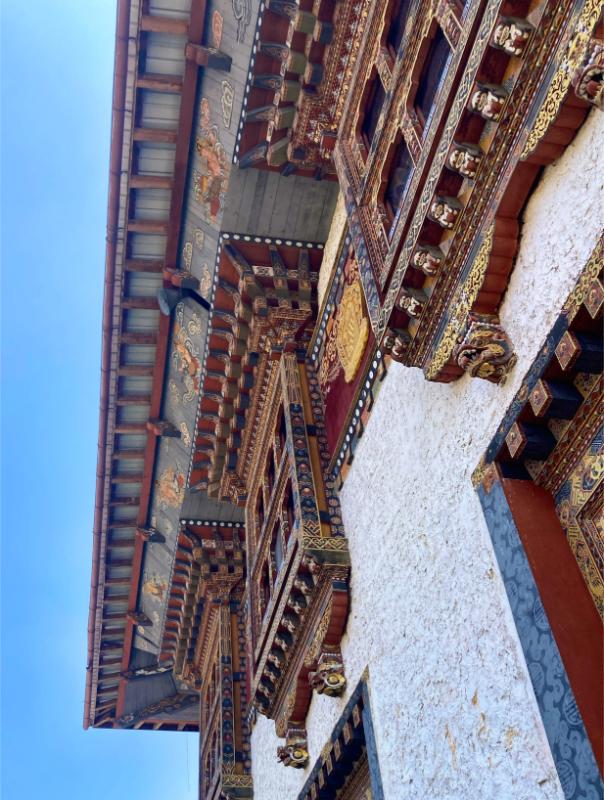
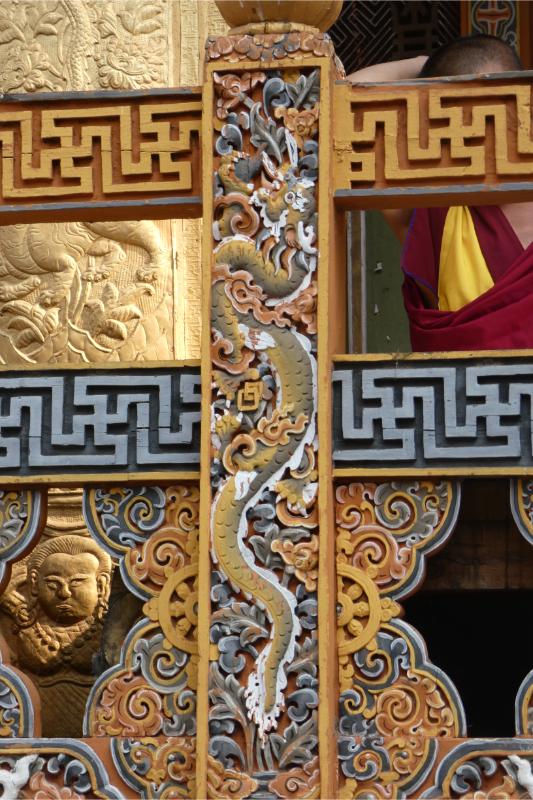
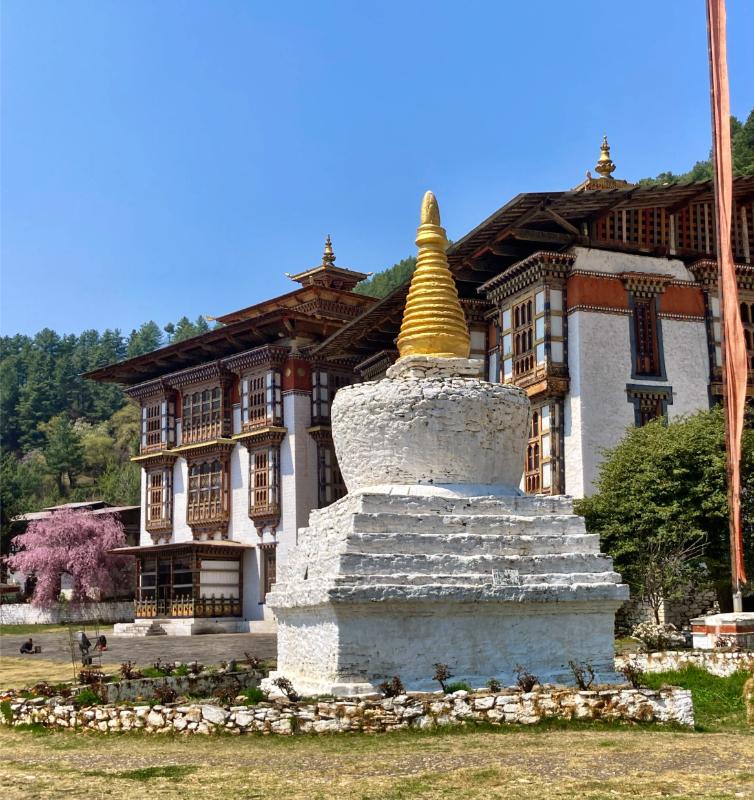
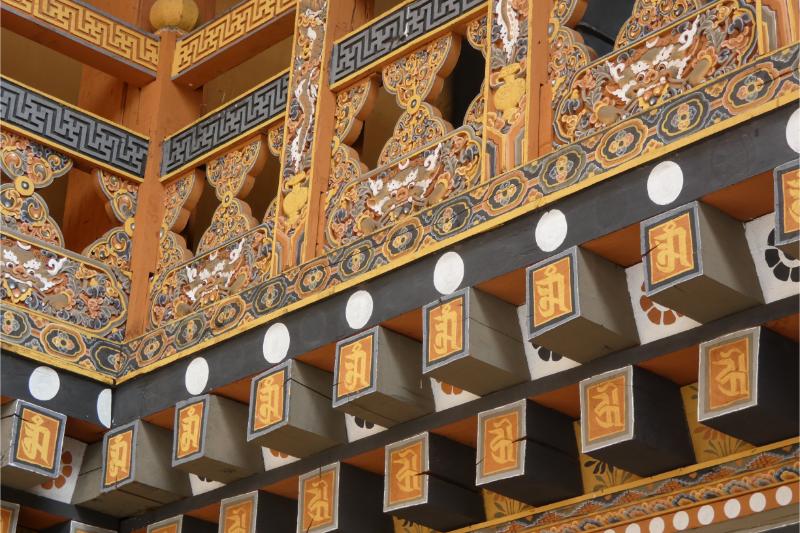
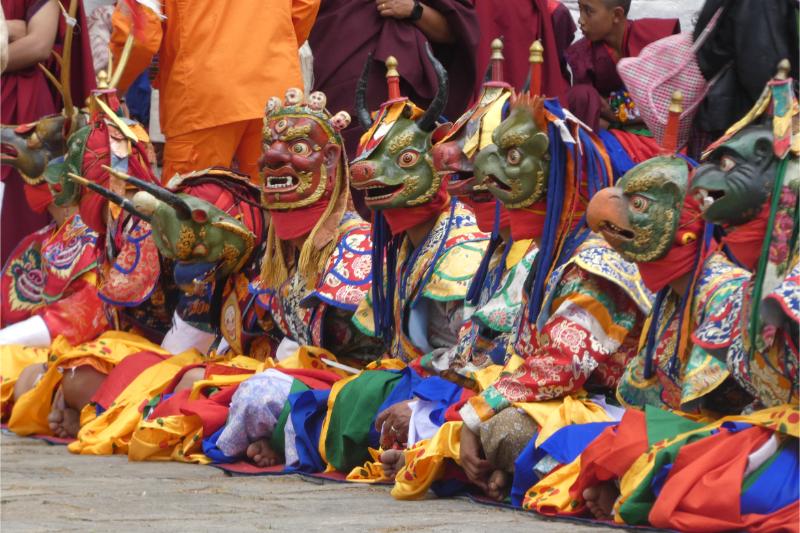
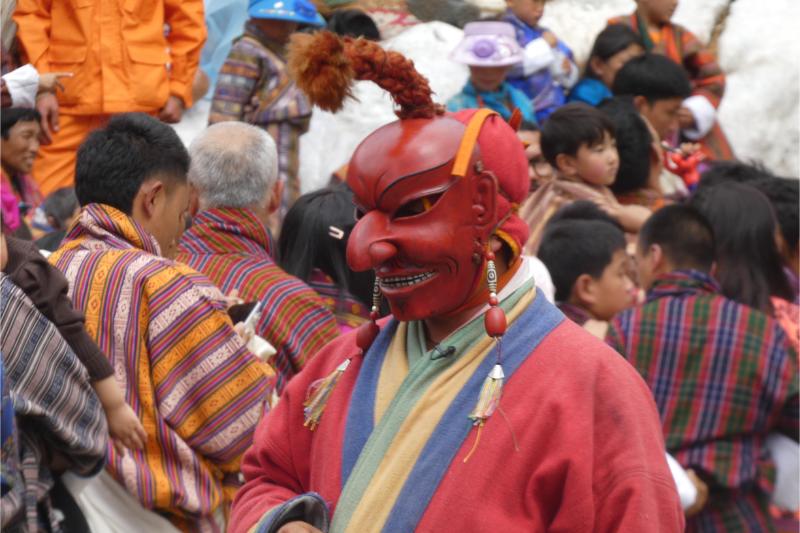
My initial confusion stemmed from the sheer messiness of the spiritual landscape. I was looking for the clean, minimalist lines of a Zen garden; instead, I found spiritual sensory overload.
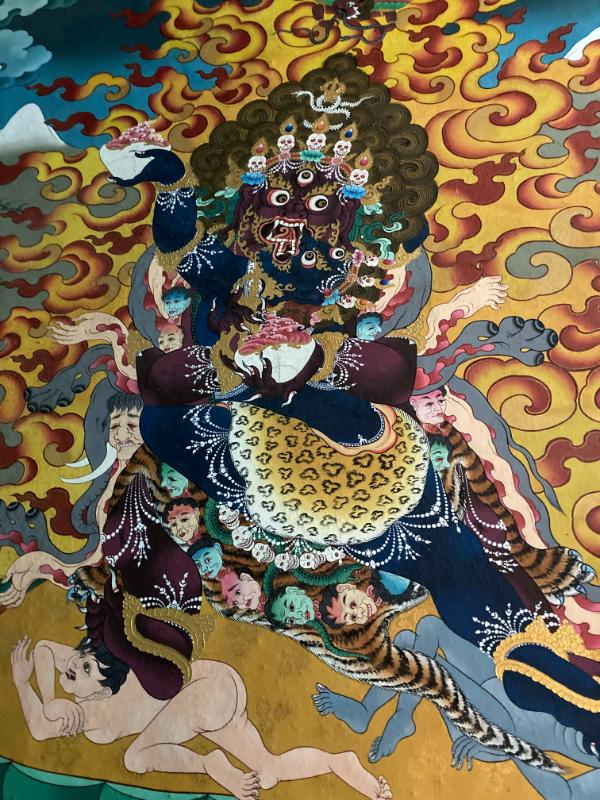
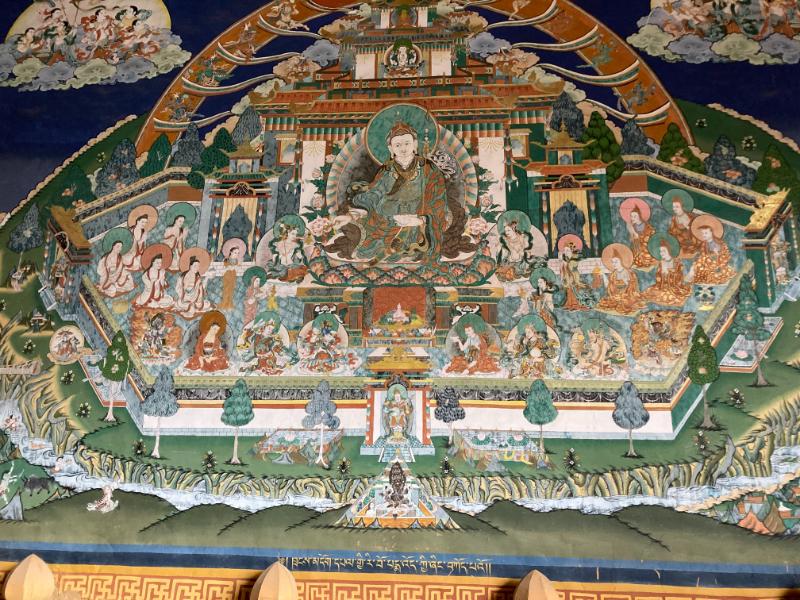
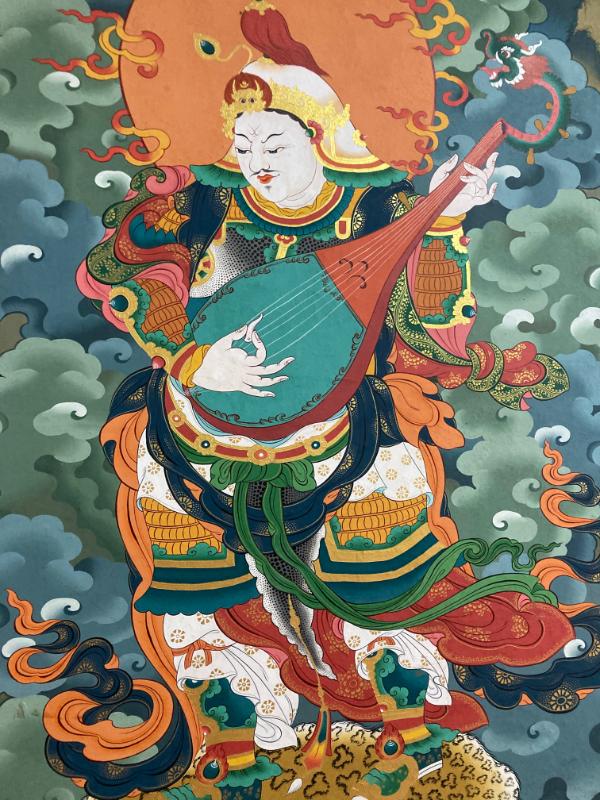
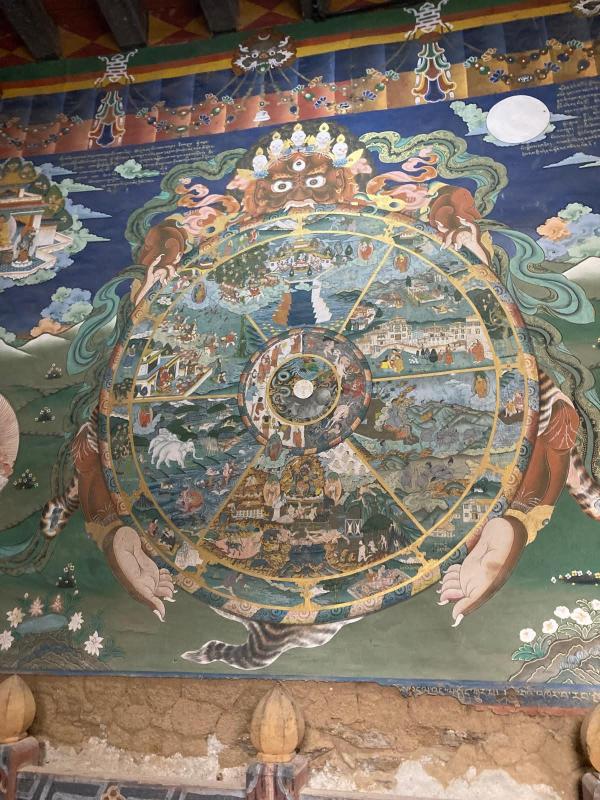
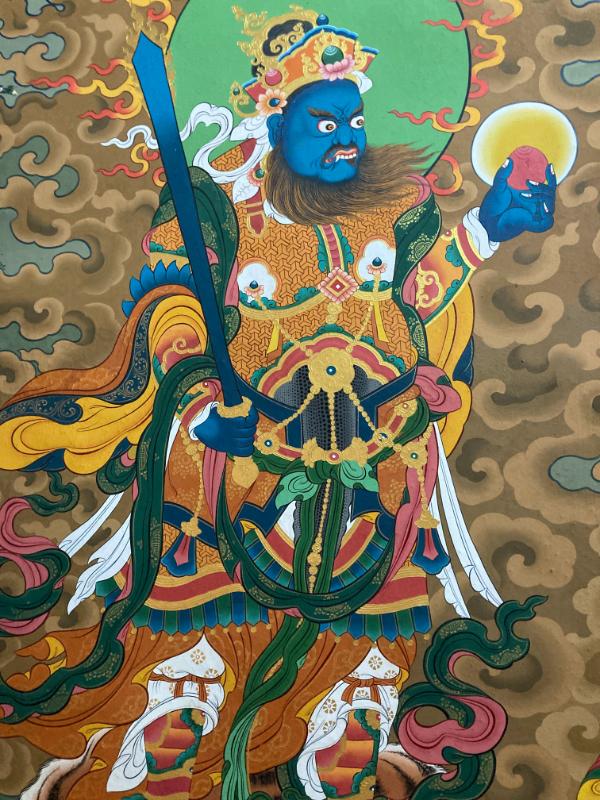
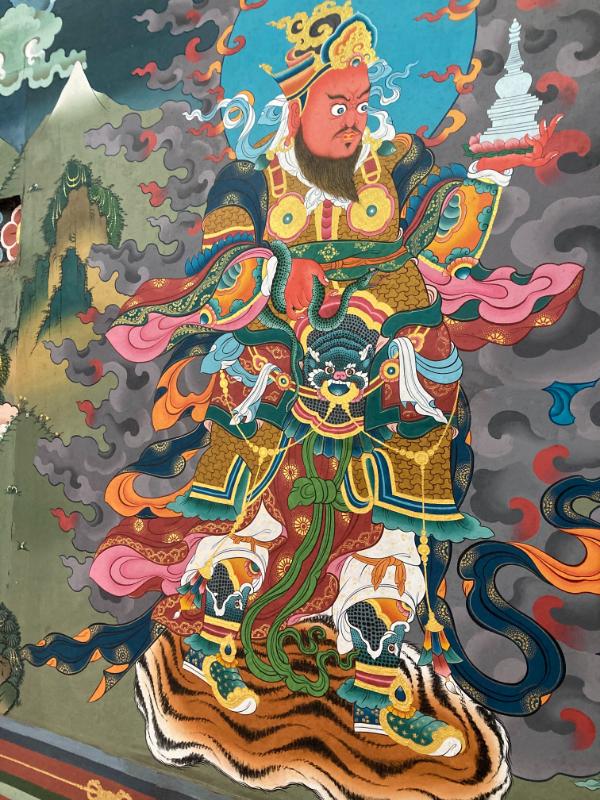
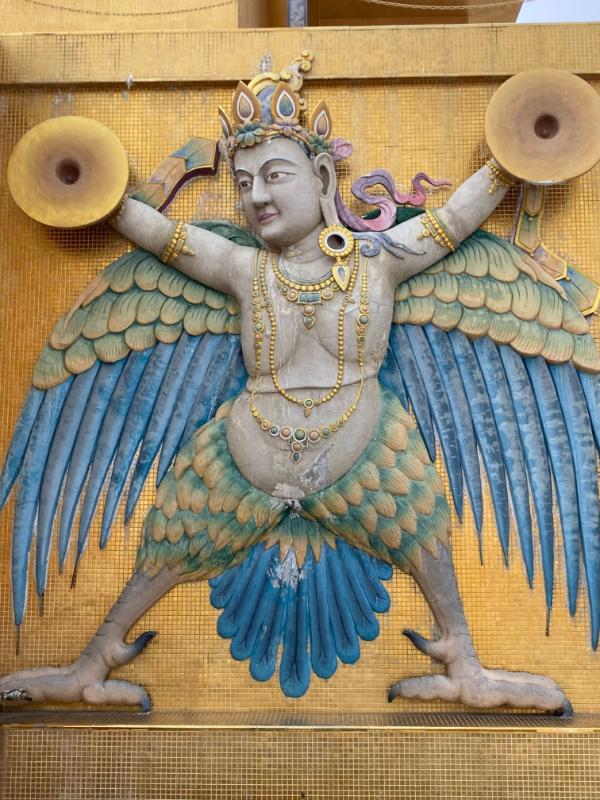
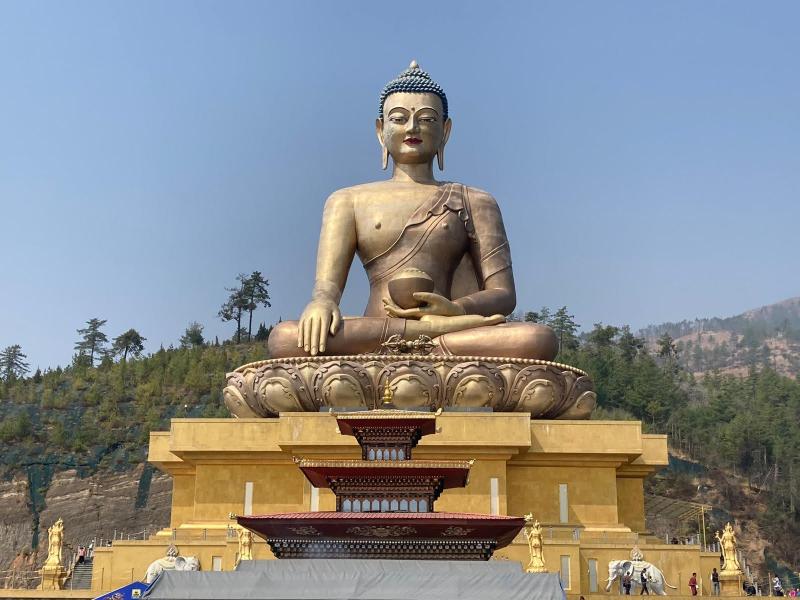
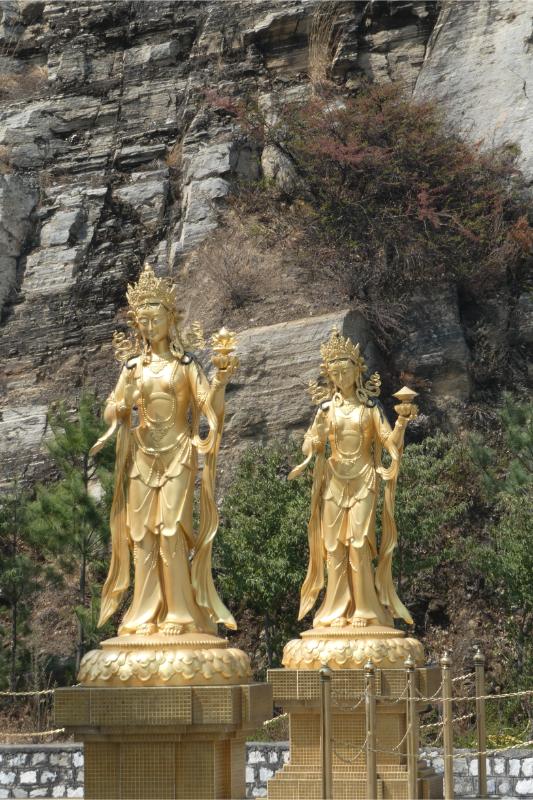
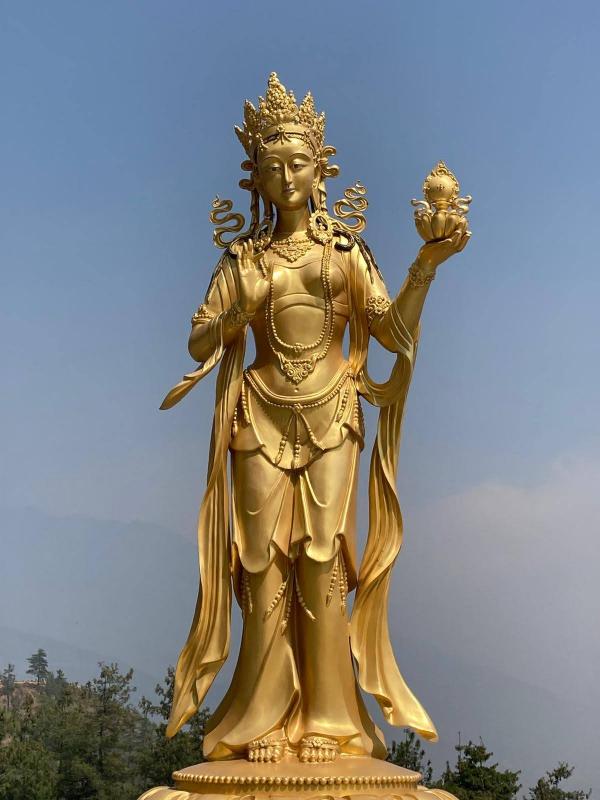
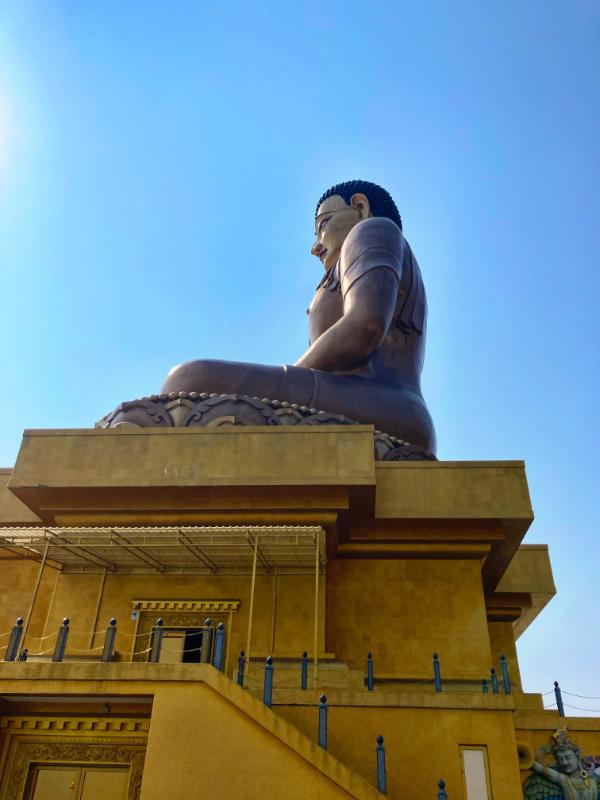
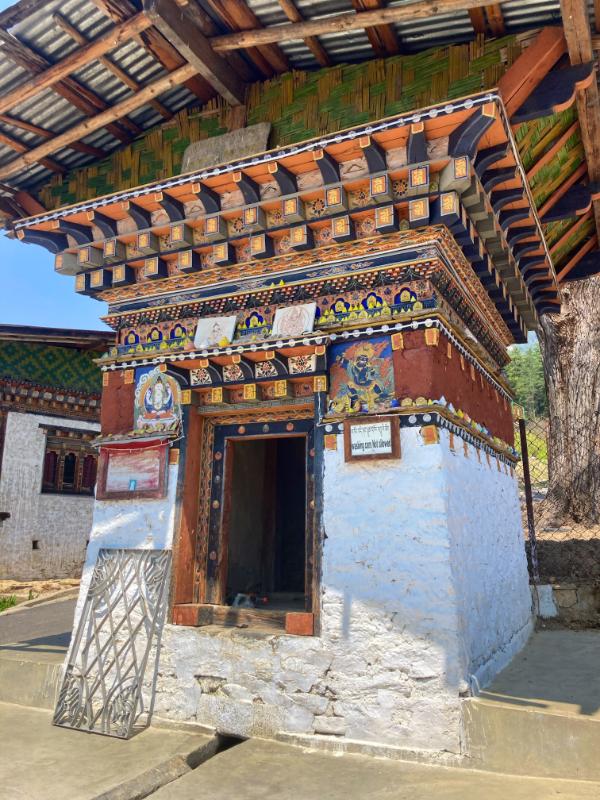
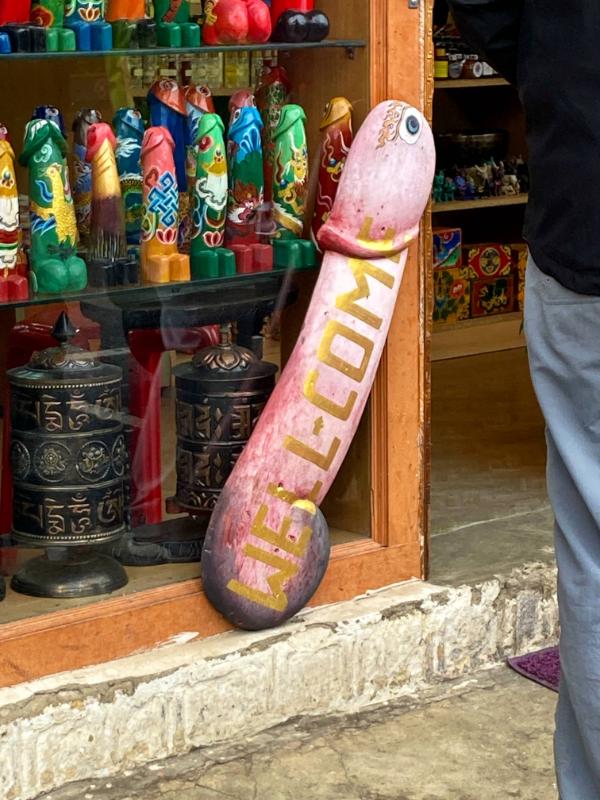
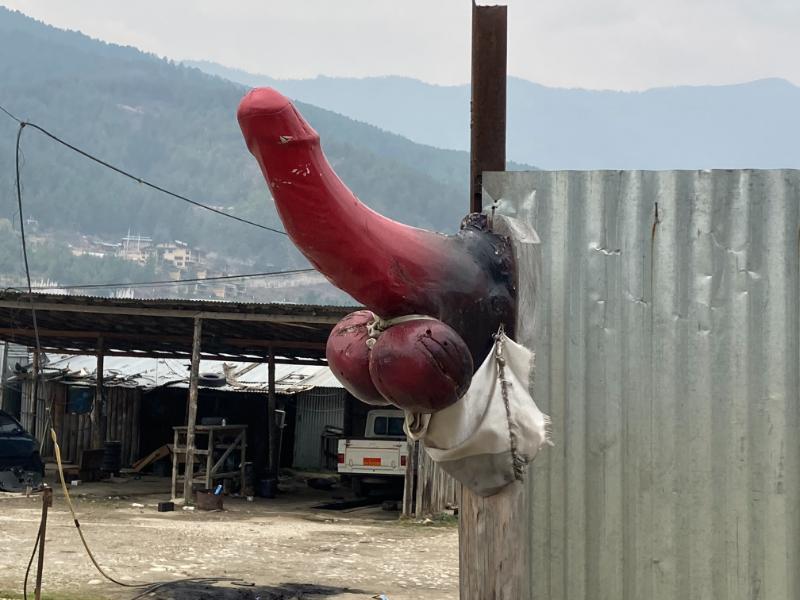
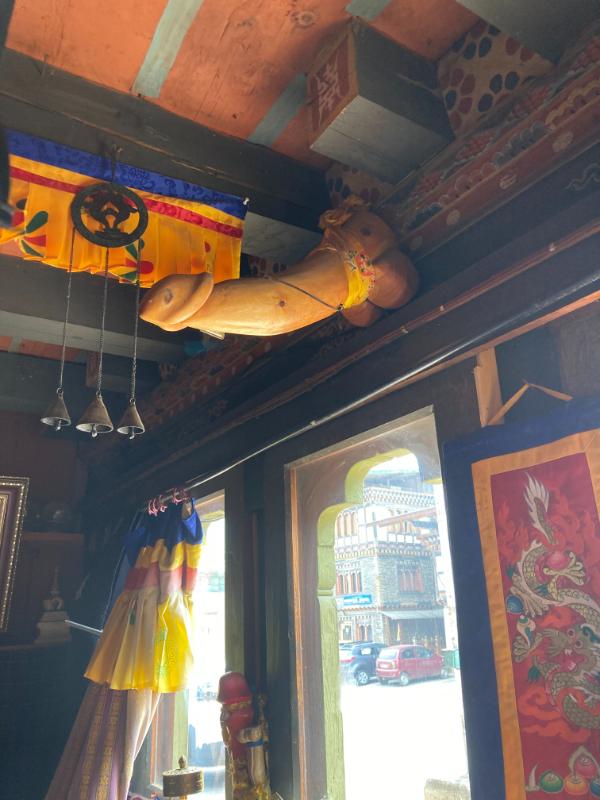
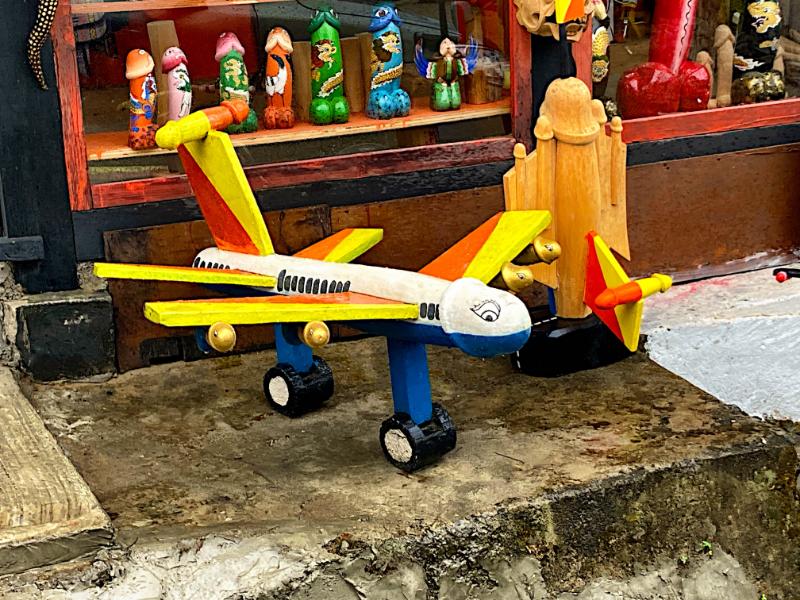
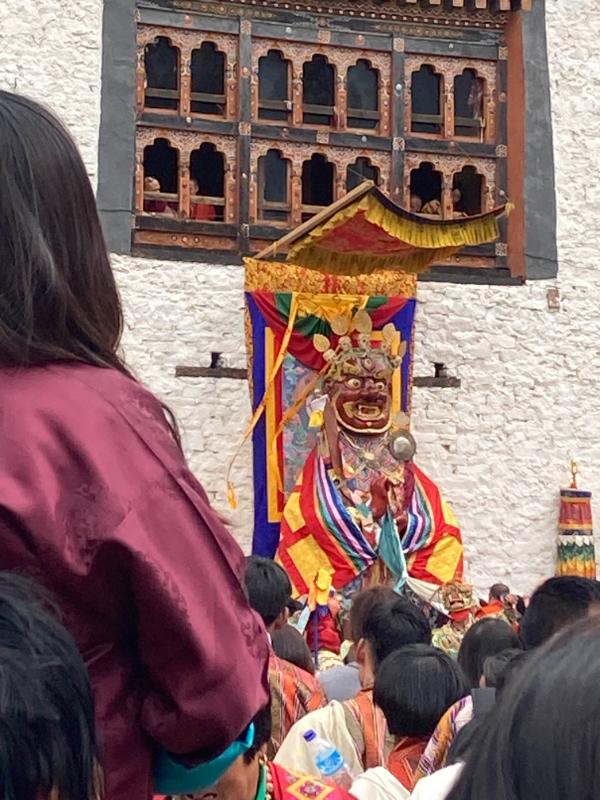
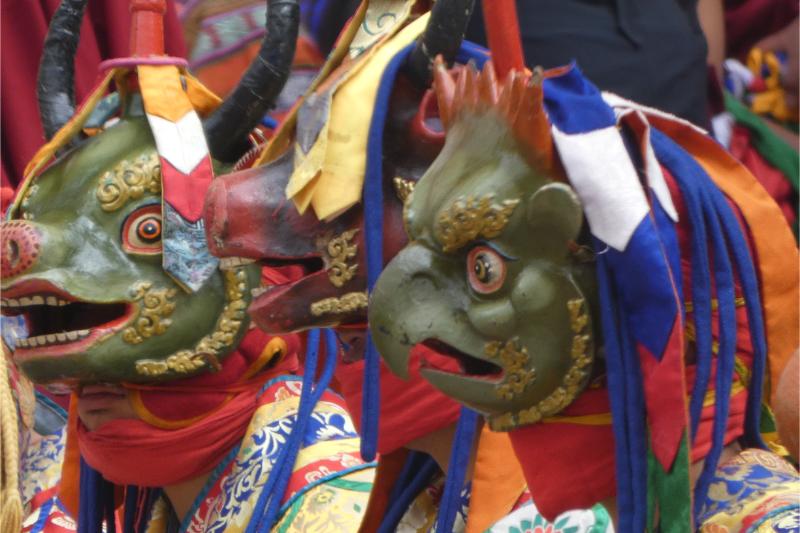
How do you square the serene, meditating Buddha with the terrifying, multi-limbed wrathful deities painted on the walls? They look like they could breakdance while simultaneously defeating a small army. And why is there an erect penis painted on every third farmhouse? It convinced me I was missing the footnote on “Sacred Geometry: Explicit Edition” in my Lonely Planet Guide.
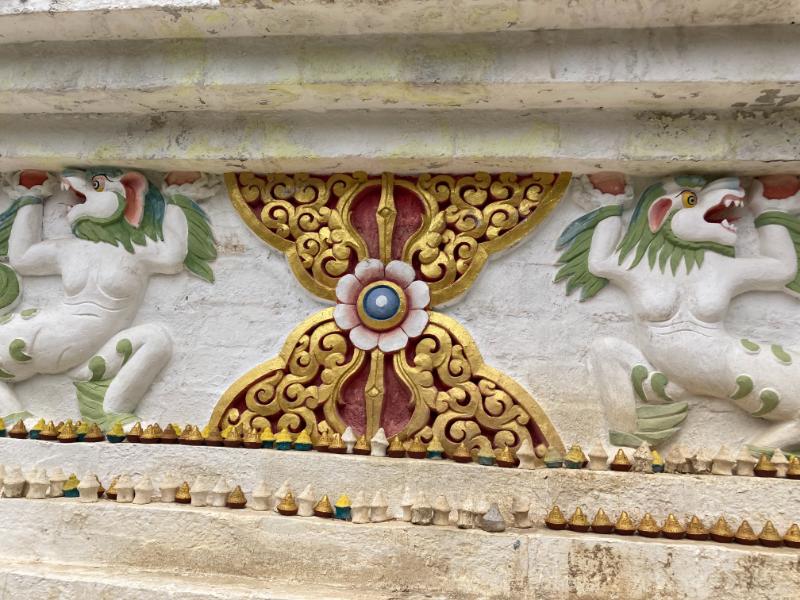
It took time to realize these weren’t contradictions; they were tools. The fierce deities aren’t demons from an external hell; they’re symbolic representations of the enlightened mind fiercely going after your internal demons: greed, hatred, and the compulsive need to check email. And the penis, championed by the “Divine Madman,” spiritual leader Drukpa Kunley? That’s their humorous, lucky charms way of warding off the gossip and malice, and the evil eye. It’s essentially a stop sign for bad vibes.
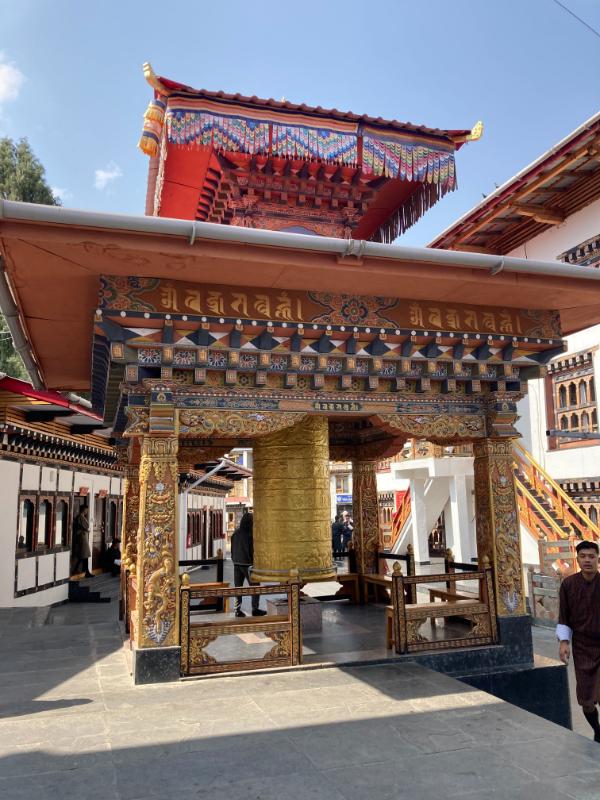
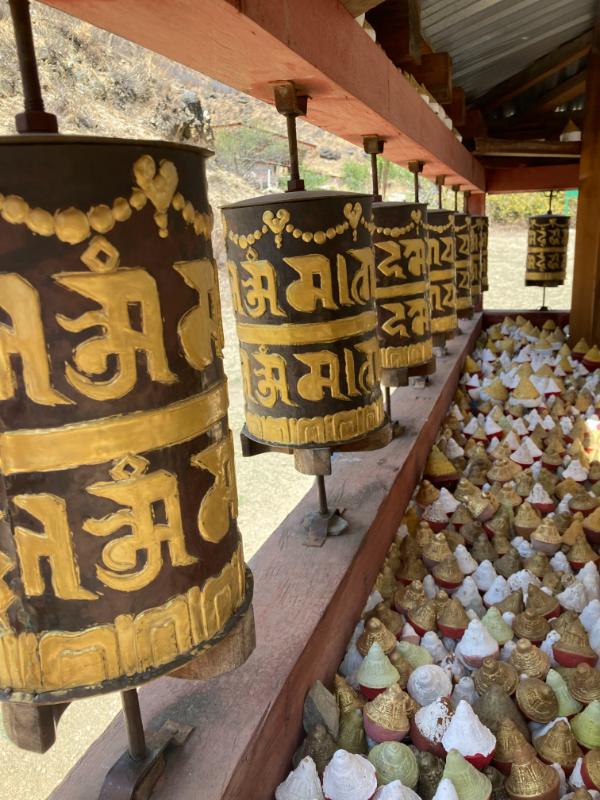
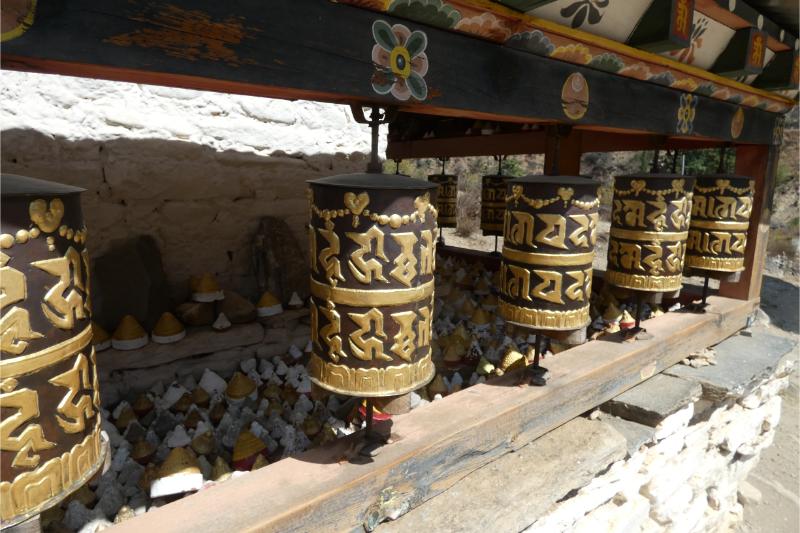
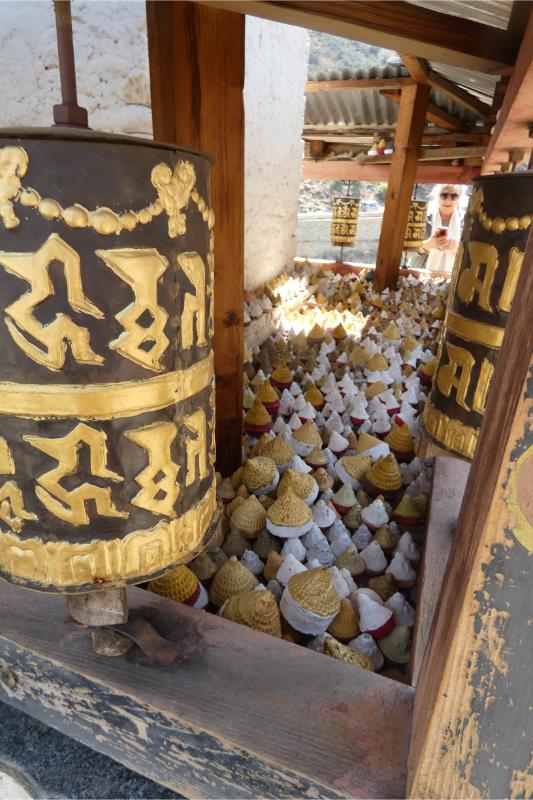
The truth hit me watching an old man, turn a prayer wheel. When I asked our guide the objective of this ritual, I was expecting a dissertation. He just looked at me like I was an idiot—but a kind idiot—and said it was a way to “pass the time that is helpful.” It wasn’t an obligation; it was tranquility, not a time-and-motion study. My inner M.B.A wept.
Long-Term Karma
But what makes that way of life mandatory? I realized the entire policy structure of GNH relies on one critical, non-negotiable belief: reincarnation (Samsara).
If your existence is limited to this one life, then maximizing the acquisition of wealth now (GDP) is logical. If, however, you believe your current actions (Karma) dictate countless future births and experiences of suffering (Samsara), the entire ethical framework flips. You are forced into the long-term spiritual economy.
This is why GNH makes sense. Its principles—like environmental preservation and sustainable development—aren’t just feel-good policies. They are practical necessities rooted in compassion. Why save the forest? Because every sentient being, including the insects and animals, has been your mother or father in a past life. You don’t destroy the ecological or social conditions required for favorable future rebirths. The entire system is designed to manage the human tendency toward uncontrolled desire (the cause of suffering) and ensure stability for all beings, now and in the future.
The Stark, Silent Judgment
Since returning home, this understanding has left me with a profound, uncomfortable alienation.
I look at the West’s obsession with GDP—that single, escalating number—and I feel ill. Our society has allowed the balance sheet to become the moral ledger. We willingly ignore the deterioration of our psychological health, community bonds, and environment for the sake of market growth. The Bhutanese refusal to let economic growth erode their sacred landscape stands in stark, silent judgment of that approach.
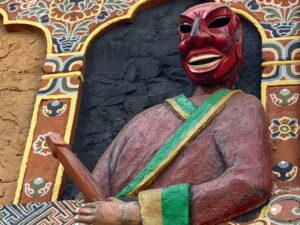
And then there’s the hypocrisy of institutions. Bhutanese Vajrayana, with its deities and phalluses, is brutally honest about human nature, providing concrete tools to manage internal chaos. It seems to foster genuine compassion. Meanwhile, our Western religious institutions often preach an abstract peace, love, and empathy, yet they are too often used to fuel exclusion and intolerance. The message is separated from the messy, imperfect reality of human conduct.
I left Bhutan with my journal mostly empty of answers, but my mind overflowing with an atmosphere I can’t shake—a simple, powerful argument that a society built on mitigating suffering is infinitely more successful than one built on maximizing acquisition. The boxes remain unchecked, but the clarity I gained is worth more than any quantifiable data.
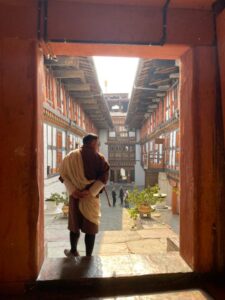
I tried to capture that sense of reflective discomfort and the final clarity Kevin achieved. Does this reflection feel complete, or would you like to focus on another aspect of his transition back to the West?
Our guide, Sonam, kept telling us the same thing: “It is more a way of life than a religion.” At the time, it seemed a bit evasive. Now, I realize he was giving me an important philosophical truth about Bhutanese life.
Trying to understand the spiritual humidity of this nation through my Western lens was a spectacular failure. Turns out, you can’t measure the spiritual humidity of a nation with a fiscal calculator.


Leave a Reply