
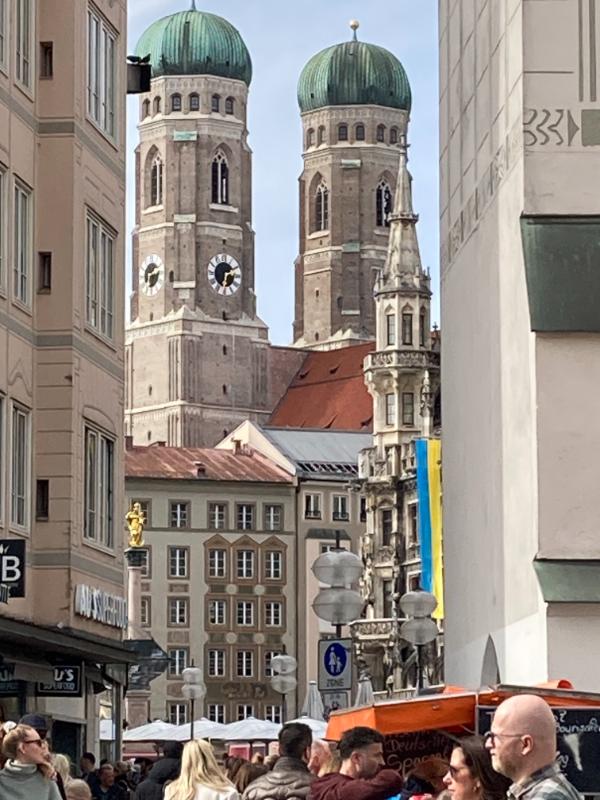

March in Bavaria is a fickle friend. The calendar says spring, but the wind cutting across the Isar often whispers winter. Yet there is a specific kind of warmth that permeates Munich during these transitional weeks, a warmth that doesn’t come from the sun but from the bottom of a stone stein.
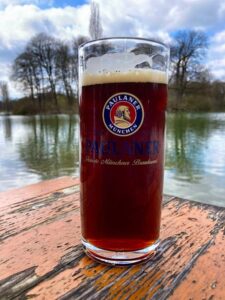
This is Starkbierzeit—the “Strong Beer Season.”
For beer lovers, this is Munich’s “fifth season,” a time that flies under the radar of the average beer tourist but is deeply cherished by locals. It is the season of the Doppelbock—rich, dark, malty beers hovering around 7-8% ABV (or more), designed to soothe the soul and warm the bones.
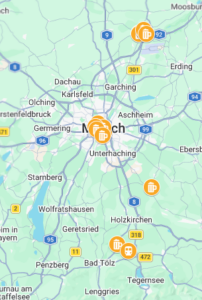
My trip to Munich last year was dedicated to this potent tradition. It was a journey that took me from quiet small-town pubs to a huge festive beer tent to a roaring beer hall, discovering that the “strong beer season” wears many different faces.
The Holy Hangover: A Brief History
Before diving into the beer, you have to understand why this season exists. We owe it all to the pious (and very clever) monks of the 17th century, specifically the Paulaner monks in Munich.
During Lent, the 40 days leading up to Easter, the monks observed strict fasting rules. Solid food was largely forbidden. But an old adage ruled the day: Liquidum non frangit jejunium—”Liquids do not break the fast.” Needing sustenance to survive their grueling work and prayers, the monks brewed an exceptionally strong, nutrient-dense beer. They called it their “liquid bread.” The monks sought the pope’s approval. A keg of the brew was sent to Rome, along with their plea that it be approved for consumption during Lent. The legend says that the beer spoiled during the long journey, so that when the Pope tasted it, he spat it out and said something like, “If those people want to drink this swill during Lent, I have no objection.”
They named this life-saving elixir “Sankt-Vater-Bier” (Holy Father Beer), which eventually morphed into “Salvator” (Savior). It was so good that other breweries soon copied the style, establishing the tradition of ending Doppelbock names with the suffix “-ator” (e.g., Maximator, Triumphator, and Optimator).
Stop 1: The Gentle Introduction in Freising
My Starkbier education began not in the chaos of Munich, but a short train ride north in the ancient cathedral city of Freising. I wanted to ease into the season away from the bright lights.
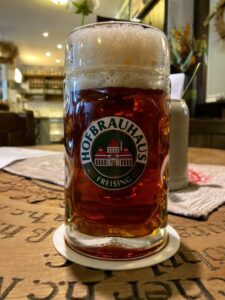
I found myself in the cozy, wood-paneled Huber Wirtshaus (tavern) tucked away on a cobblestone side street. There was no brass band here, just the low hum of local conversation and the rhythmic clinking of glass. Huber is a wheat beer brand of Hofbräu Freising (formerly an independent brewery), so they brought me a Freising Hofbräu.
It was amber-dark, smelling faintly of caramel and toasted bread. The danger of Starkbier is how incredibly smooth it is; the alcohol is hidden beneath layers of rich malt. It was a civilized, intimate start to a very potent week, a reminder that at its heart, this is a community tradition meant to be savored.
Hofbräu Freising is the town’s newer brewery, dating from just 1160. It inhabits an ornate building in town, while the other brewery, the famous Weihenstephan, dates to 725 and stands on “Sustenance Hill” above the town.
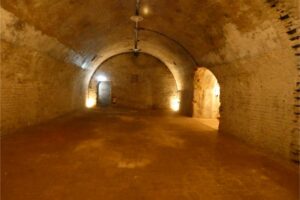
A volunteer recruited by the local Tourism Office, Ferdinand, kindly took us on a walkaround to learn about Freising and its brewing history. He is an interesting guy who possesses a wealth of knowledge. Freising had 18 private breweries in the early 19th century, serving the town’s 3,000 inhabitants. Only two of them survive, but many of the buildings are still there to be poked around. One highlight of our walk was a tour of the Sporrerkeller’s vaults, tunneled beneath Weihenstephaner Berg. Many of the town’s breweries once lagered their beer here, and the kellers also played a notorious role during World War II.
A story-filled walk up the hill to Weihenstephan took us past landmarks like the Korbinianslinde, an enormous Linden tree said to have been planted by the first bishop of Freising, St. Korbinian, around 724. The 1000+-year-old tree was said to be one of the oldest and largest Lindens in Germany when it was burned down in 1864 by boys chasing a squirrel. A 150+ year-old Linden is now growing in its place. And then there was the “pissing stone,” an ancient marker delineating the boundary between the town and the monastery. The story is that it is about halfway down the hill and become a well-known stopping place for nature breaks on the way back into town. A Weihenstephaner Korbinian (a 7.4% ABV dark double bock) later, I was on my way back to town and understood what they were talking about.
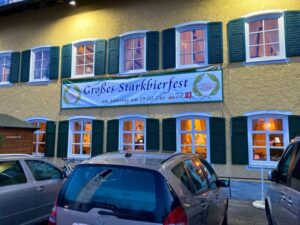
While the city of Freising is steeped in interesting history, we found some of the magic of Starkbierzeit during an evening at the Gasthof Grüner Hof, experiencing their Starkbierfest in a big, open hall above the pub.
Stepping off the street and heading upstairs, we left the quiet pub behind and entered a large, open hall that felt like a secret the rest of the world hadn’t been told yet. The room was a sea of long wooden tables, packed shoulder-to-shoulder with locals. I’d bet a pfennig we were the only non-locals in the room, but the “outsider” feeling vanished quickly. We weren’t just tolerated; we felt like guests in someone’s oversized living room.
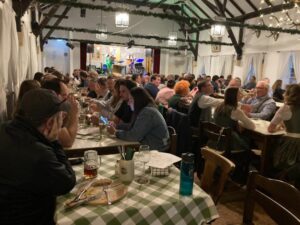
The air was electric with the sounds of a small but mighty brass-and-accordion combo, both traditional and modern melodies weaving through the rising hum of laughter. Then came the moment everyone was waiting for: the tapping of the wooden keg. With a few rhythmic swings of the mallet and a celebratory splash, the season was officially open here.
A rich, creamy Obazd’n and a bowl of Spargelsuppe (asparagus soup)—a delicate, white-gold harbinger of spring —followed by a crisp Schnitzel took care of our hunger.
But the true star was the Hofbrauhaus Freising Frühling Dunkel Bock. It was everything a Starkbier should be—mahogany-hued, deeply malty, and dangerously smooth. It carried the weight of the monastic tradition but with a freshness that hinted at the coming thaw.
As the small festival roared on behind us, we eventually slipped away for a quiet, evening stroll through the crisp Freising air. Walking back toward the station for the train to Munich, the warmth of the Bock and the gemütlichkeit of the Grüner Hof stayed with us long after the music faded into the night.
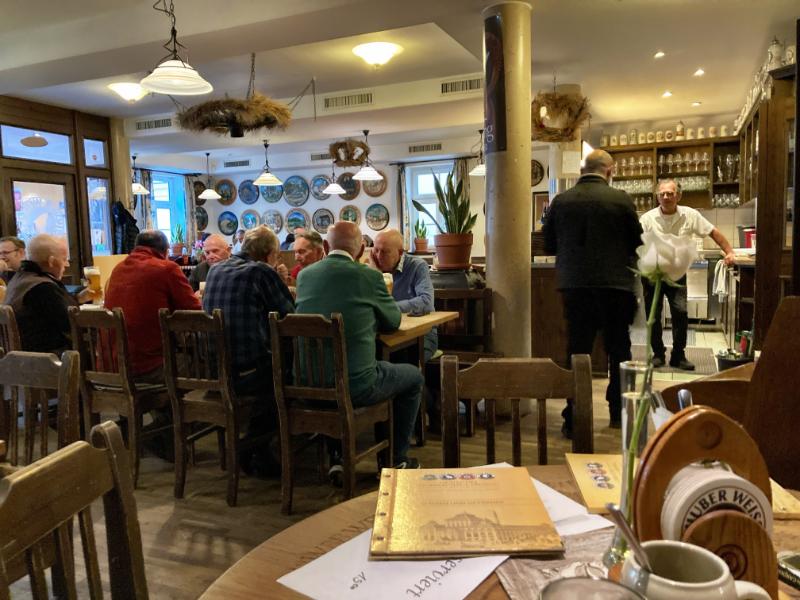
Huber stube 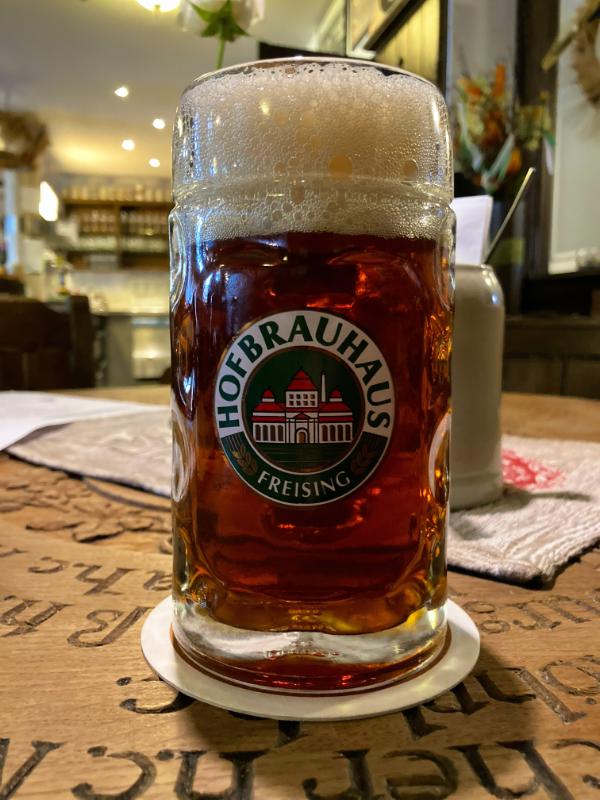
Hofbrau Freising Starkbier 
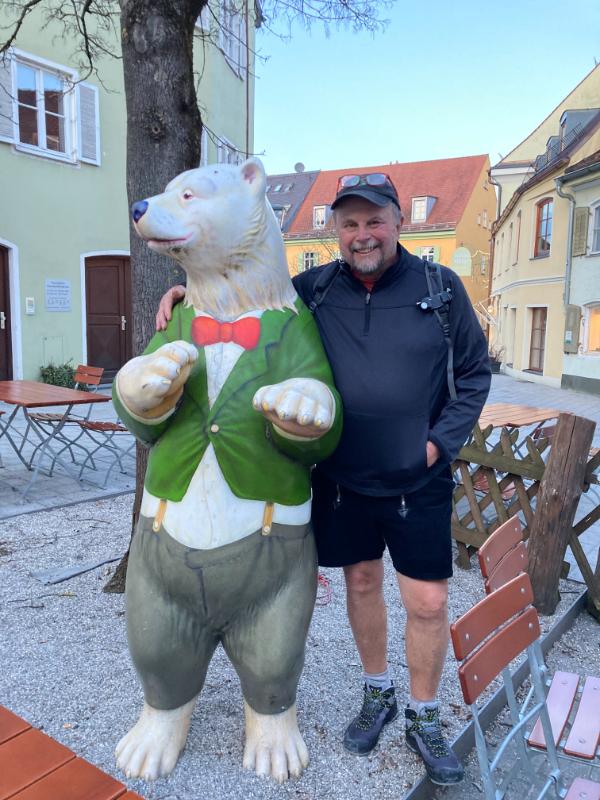
the symbol of the Huber brand is a polar bear 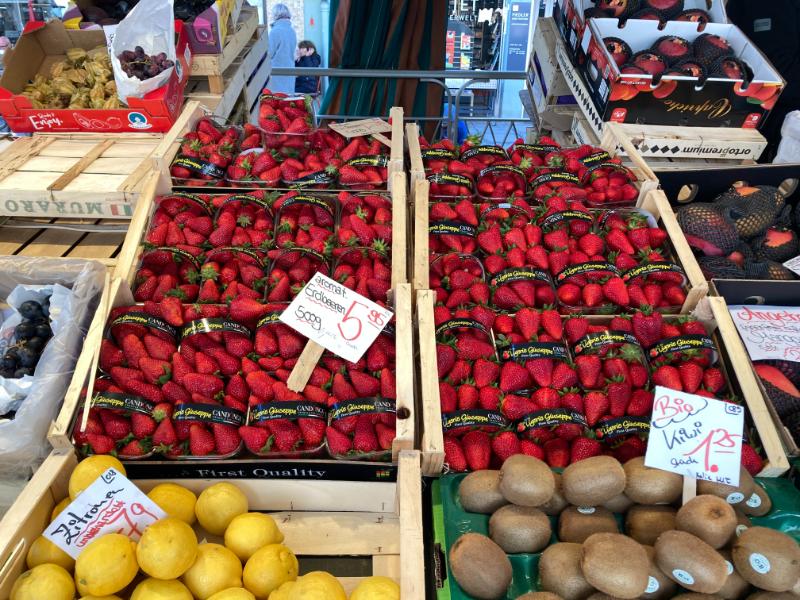
market stand 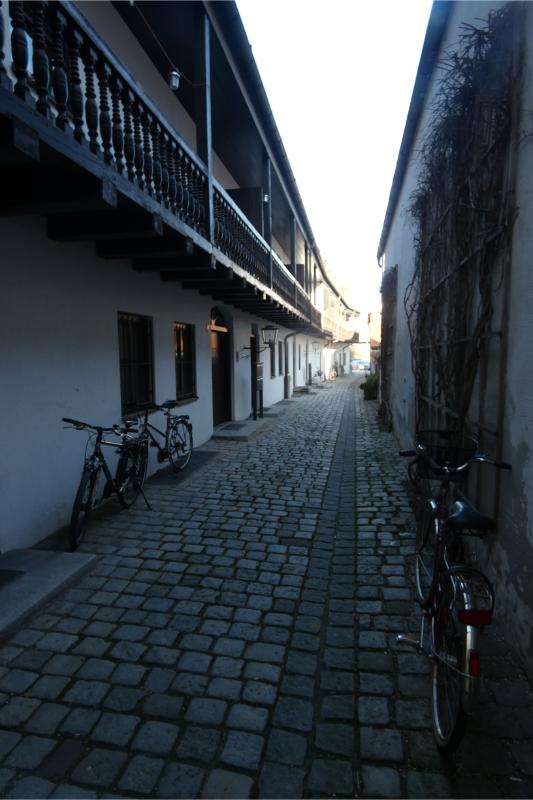
Freising alleyway 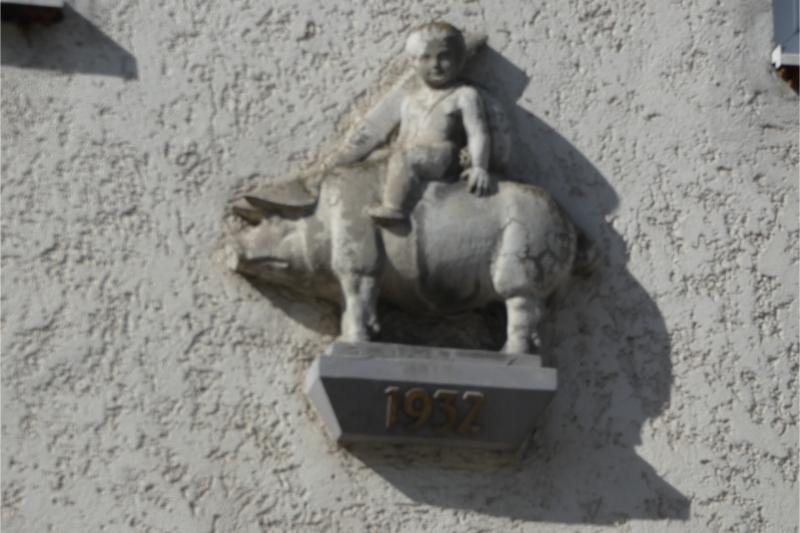
try it someday! 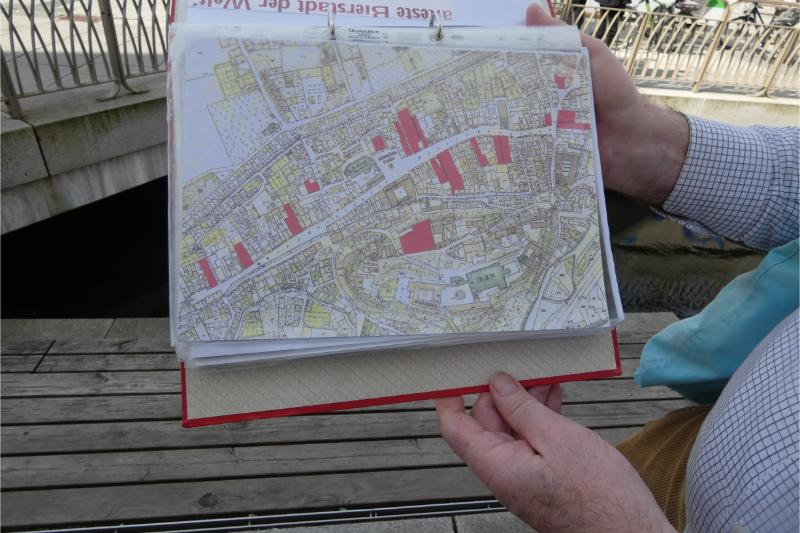
Historic brewery locations 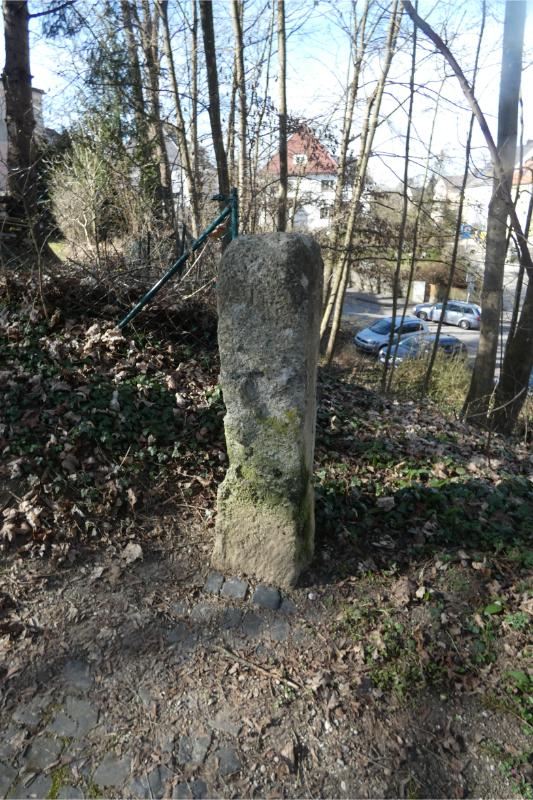
pissing stone 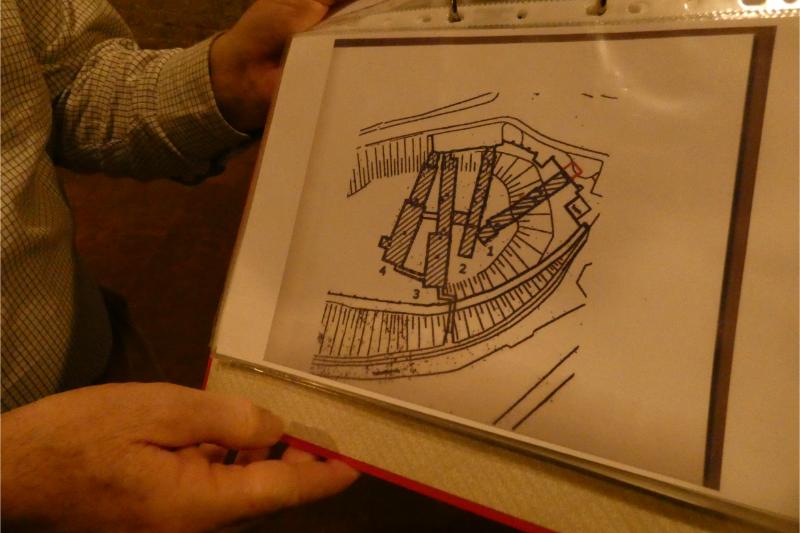
Sporrerkeller diagram 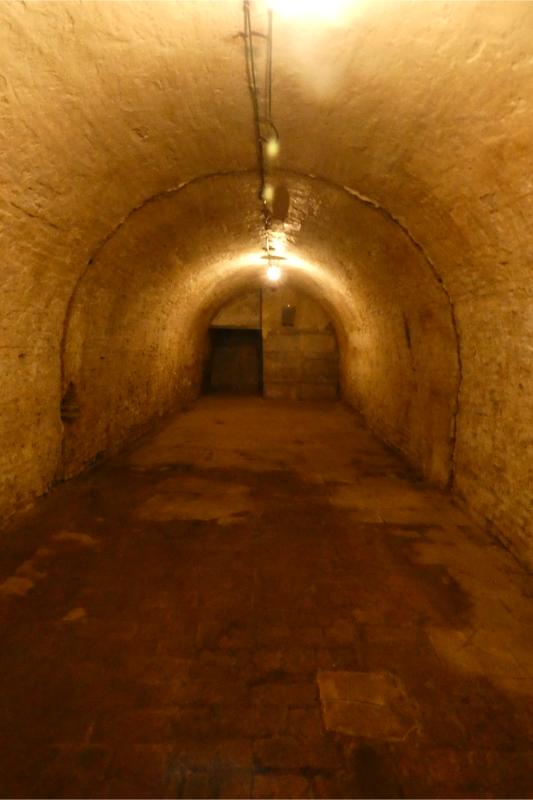
a Sporrerkeller vault 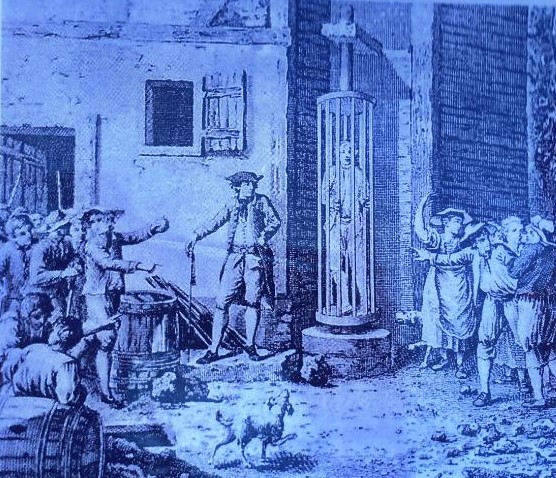
served bad beer? 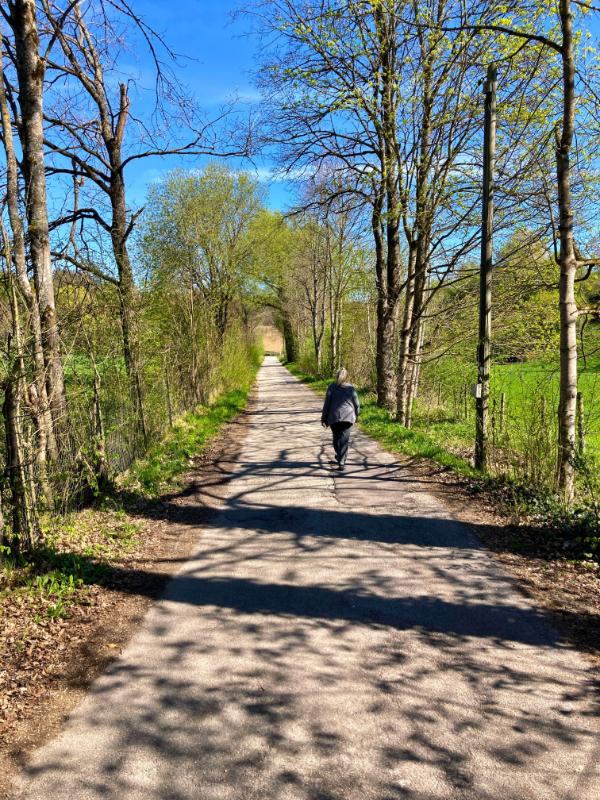
beer hike near Freising 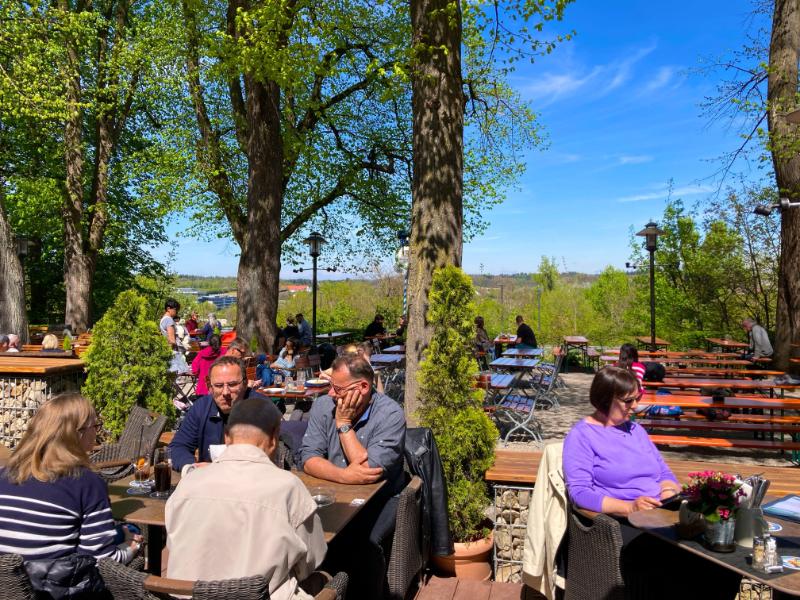
Biergarten at Bräustüberl Weihenstephan 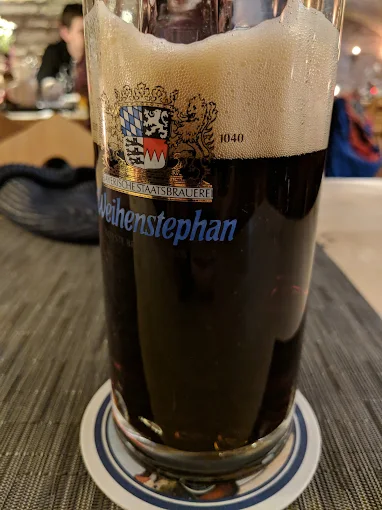
Jet black Korbinian 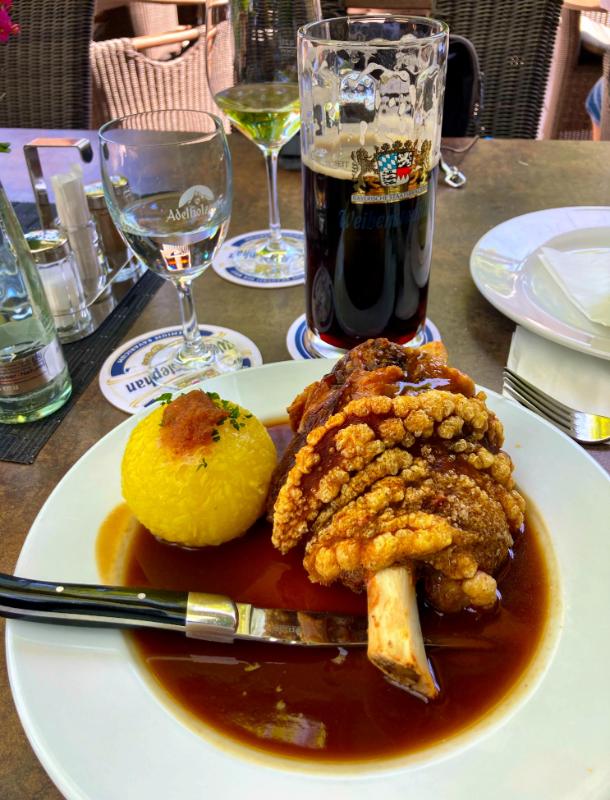
Schweinshaxe goes great with a starkbier 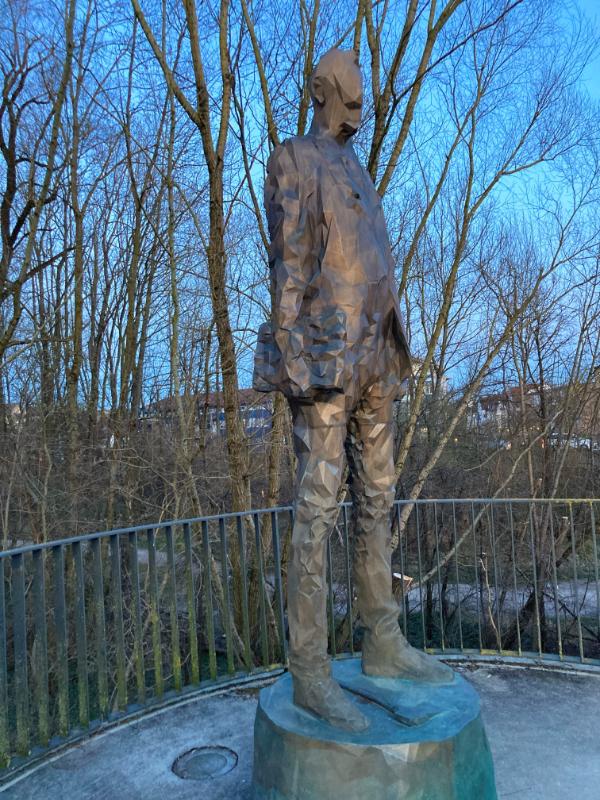
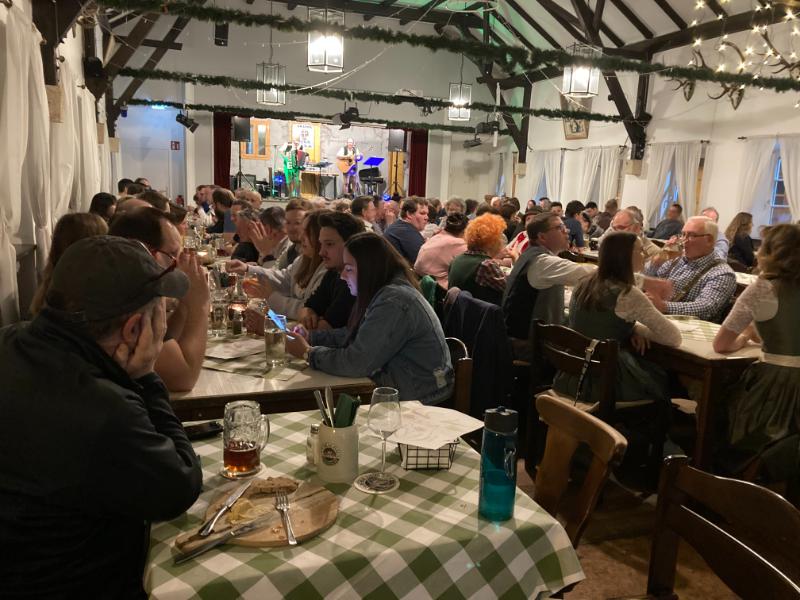
festhalle 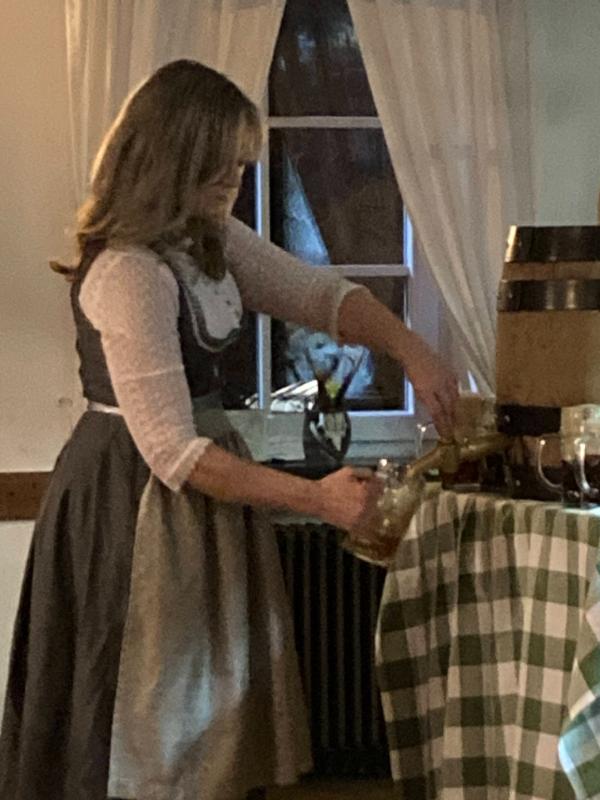
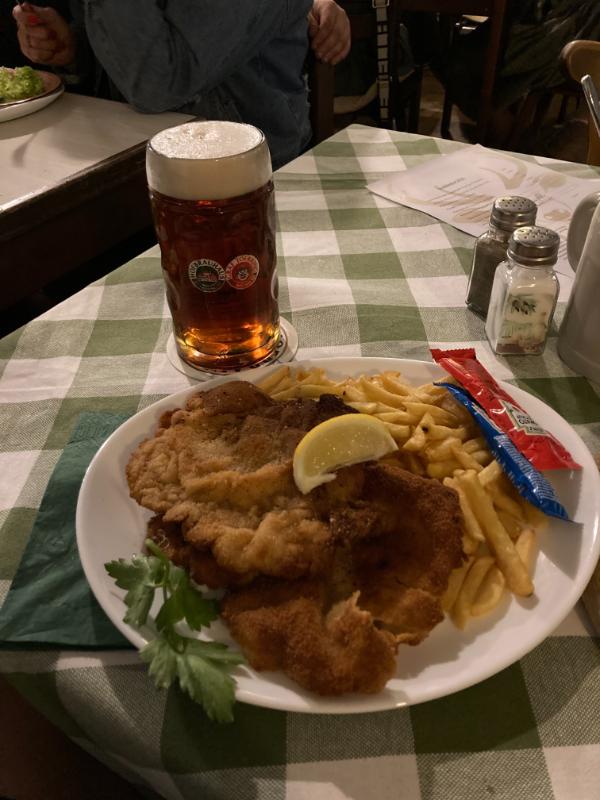
that schnitzel 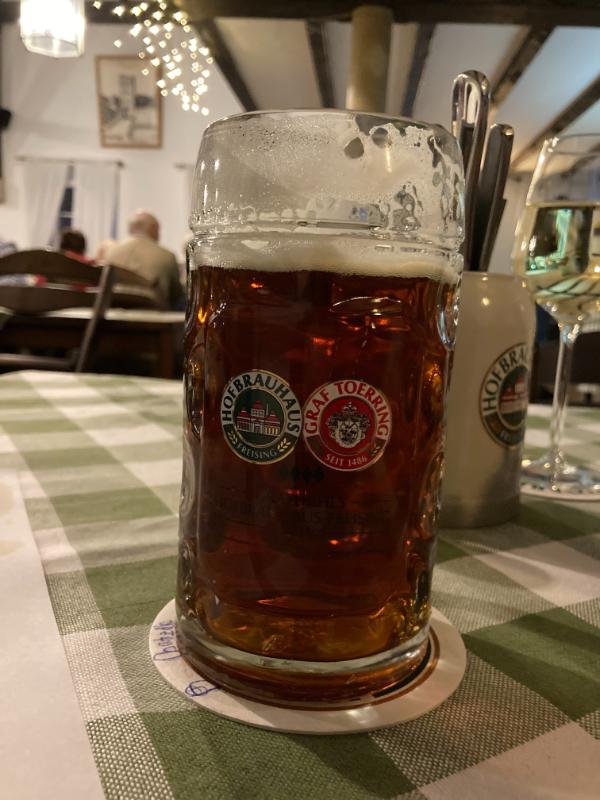
Frühling Dunkel Bock 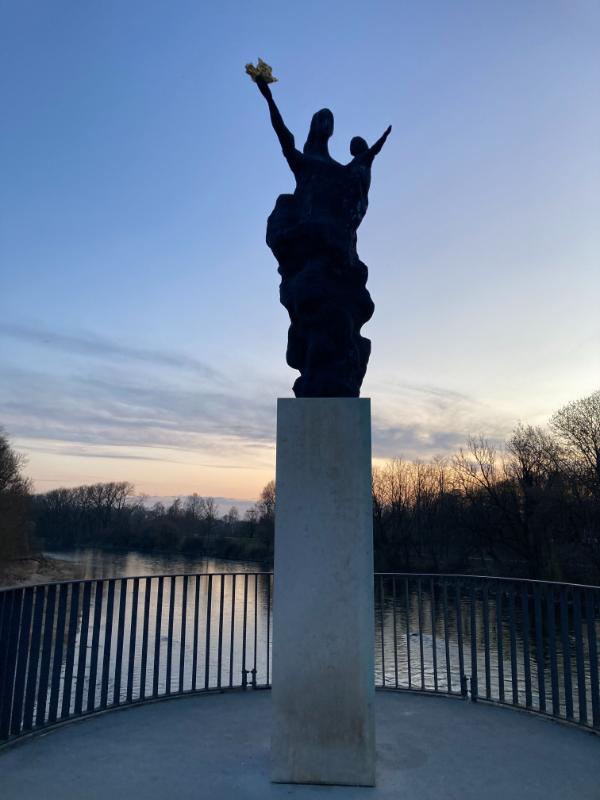
twilight walk
Stop 2: A Beer Hike to the Josefifest in Reutberg
If Freising was the introduction, experiencing a traditional festival in Reutberg was the trip’s soul. To experience a different version of Starkbierzeit, we left the city limits and headed into the Oberland. The blue-and-yellow BOB (Bayerische Oberlandbahn) train left the urban sprawl of Munich and traveled into the foothills of the Alps.
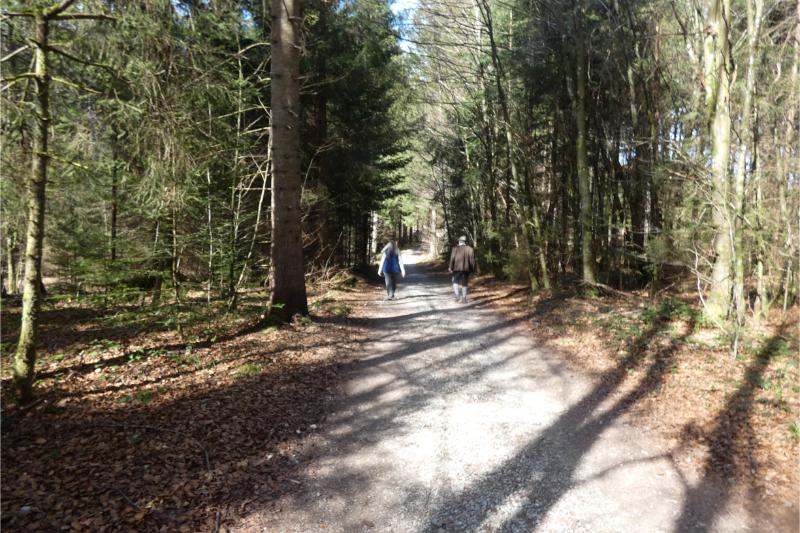
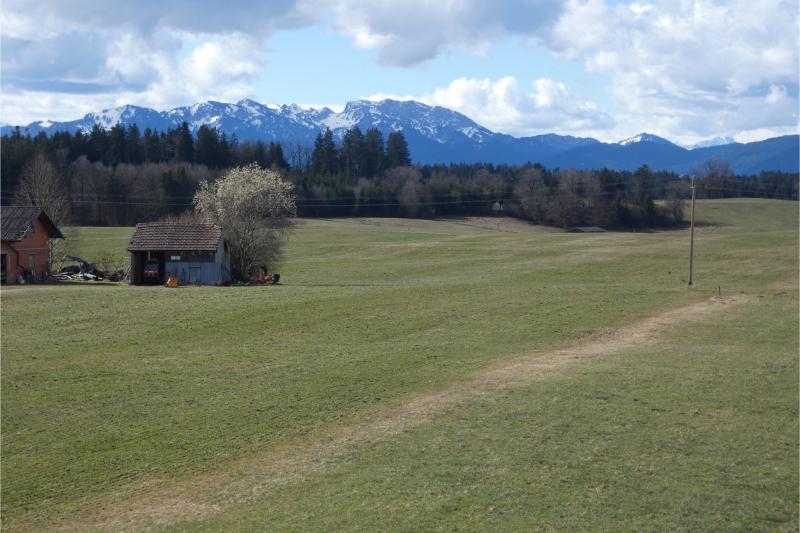
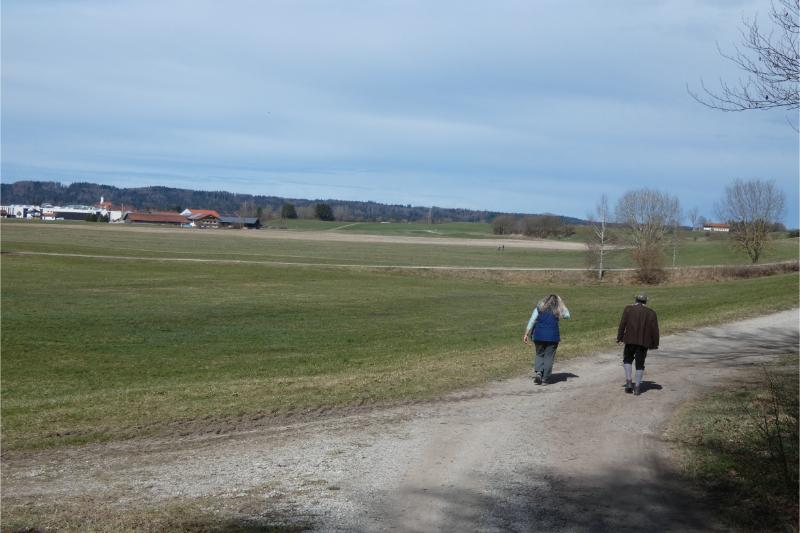
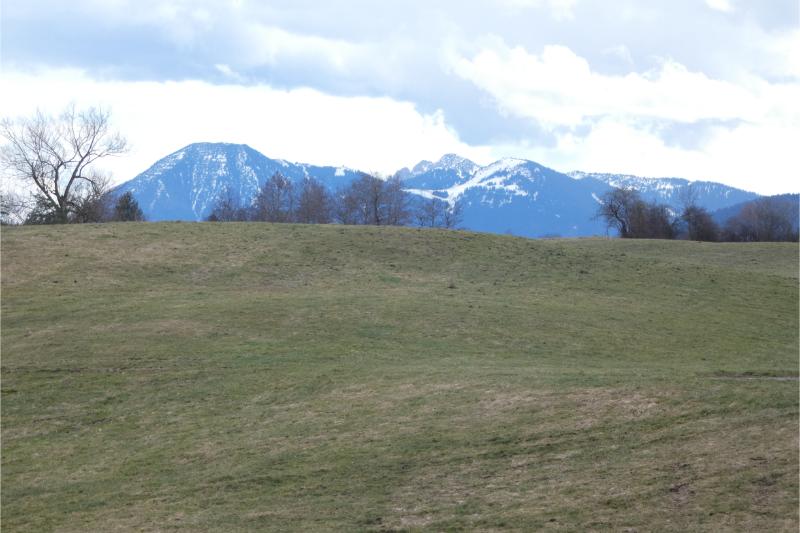
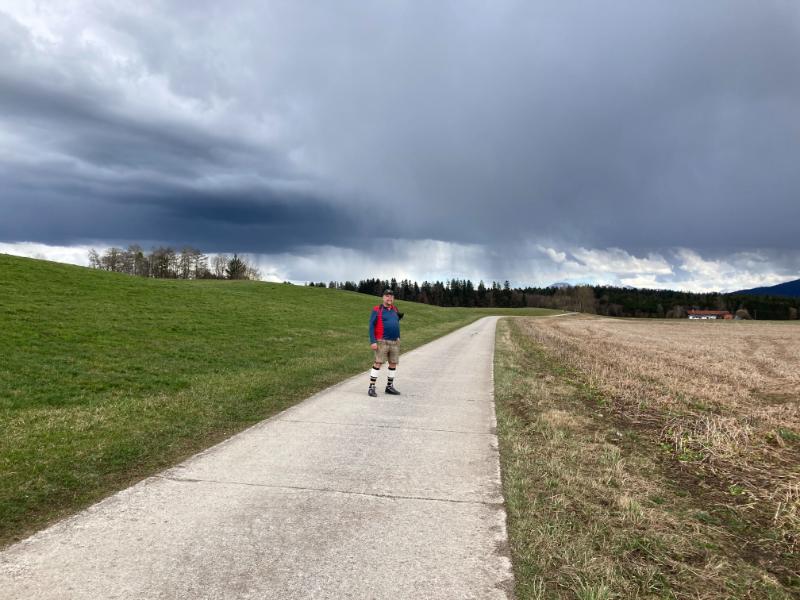
We hopped off at the quiet station of Schaftlach to start our “beer hike.” The air was sharp and clean. Our route took us over a rising ridge and into a deep, silent forest where the path was still soft with the remnants of winter. As we emerged from the treeline, the world opened up: we began descending through rolling fields with the jagged, snowcapped peaks of the Bavarian Alps standing like a white wall against the southern horizon.
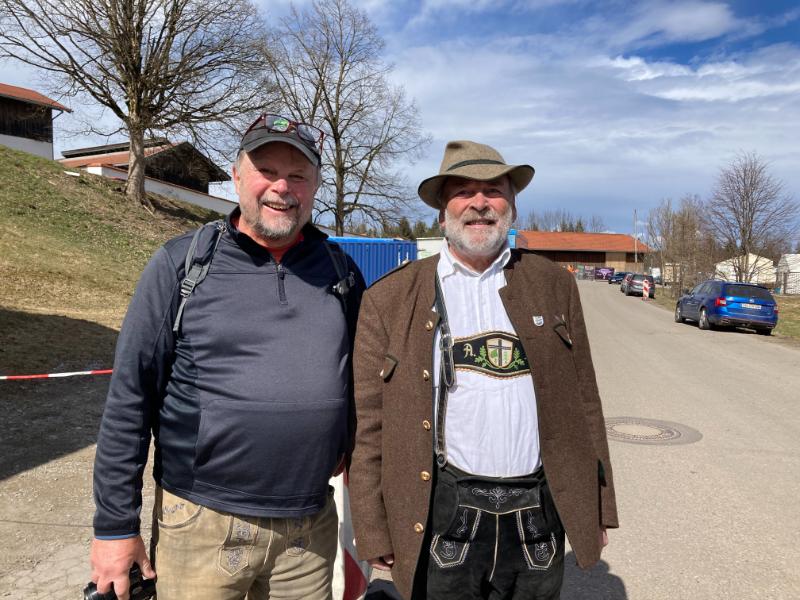
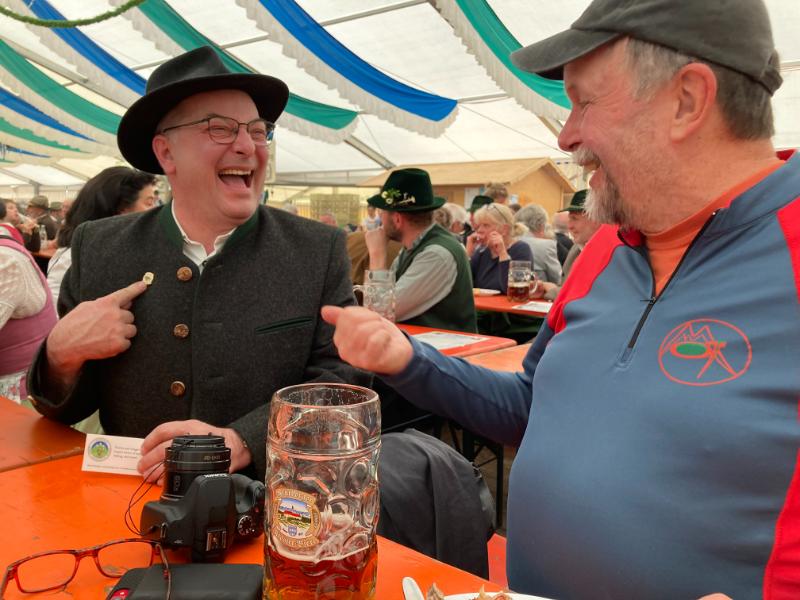
We met a local man, Rudi, resplendent in his Sunday Tracht—boiled wool jacket, felt hat, and sturdy leather shoes. He had started his hike at the same moment we did, so we hiked together. Though our German was shaky and his dialect was thick, we found a rhythmic way to communicate as we walked. With a proud smile, he pointed to a small, gleaming enamel pin on his lapel. It was the insignia of the Reutberg Brewery Cooperative.
This is the secret of Reutberg’s survival. Founded in 1677 by Capuchin nuns, the brewery faced closure in the 1920s. In a defiant act of community spirit, the local farmers and citizens formed a co-op to buy and govern the brewery themselves. Over time as many small breweries in the area folded the brewery picked up steam (and members). To this day, it remains the “People’s Brewery,” owned by the very people who drink its beer.
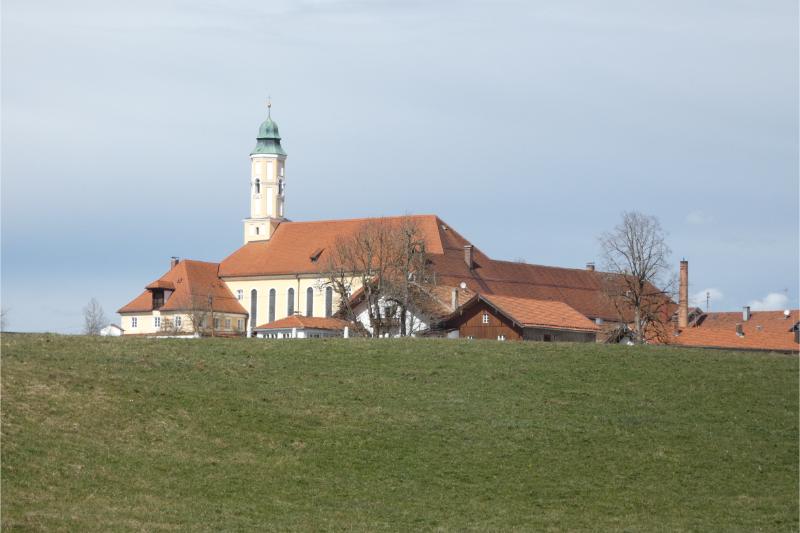
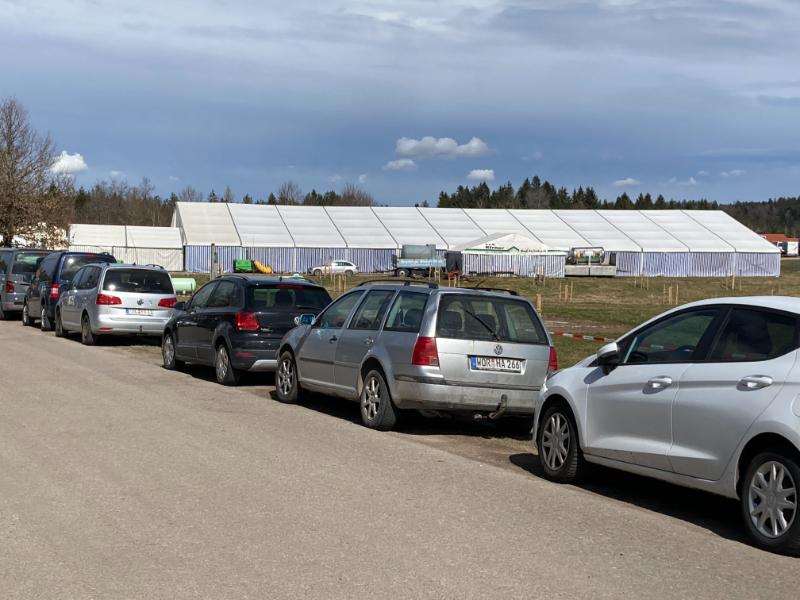
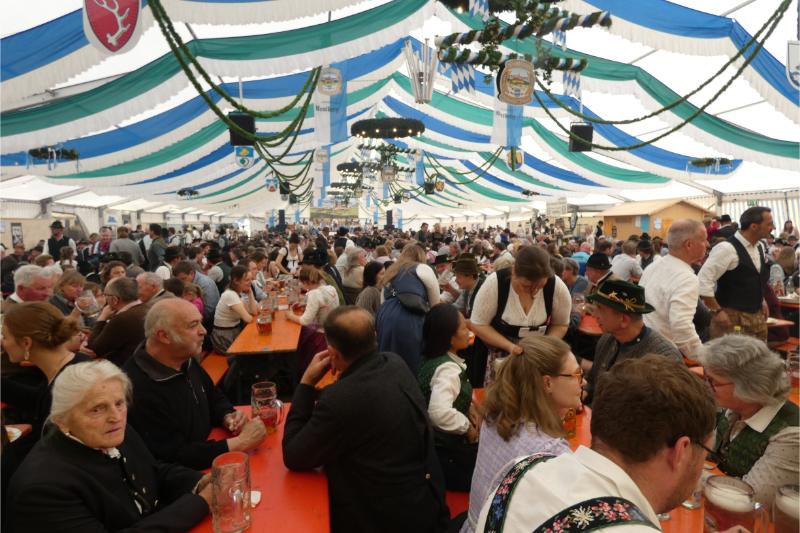
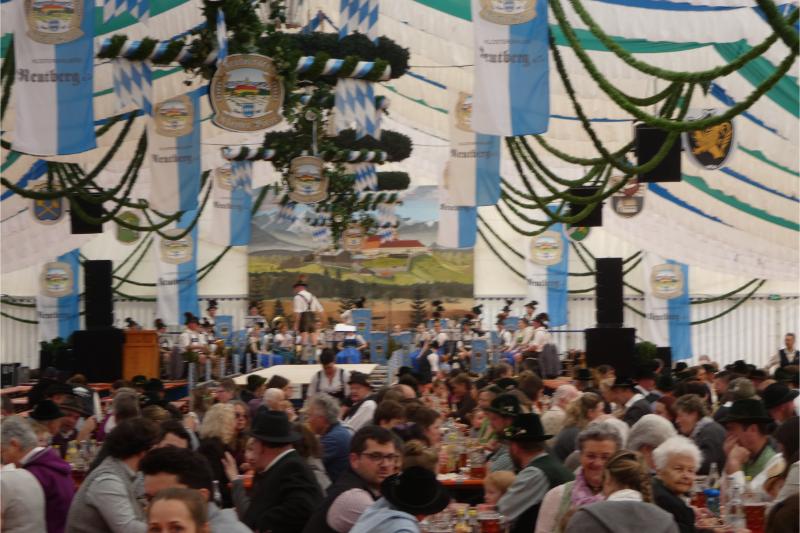
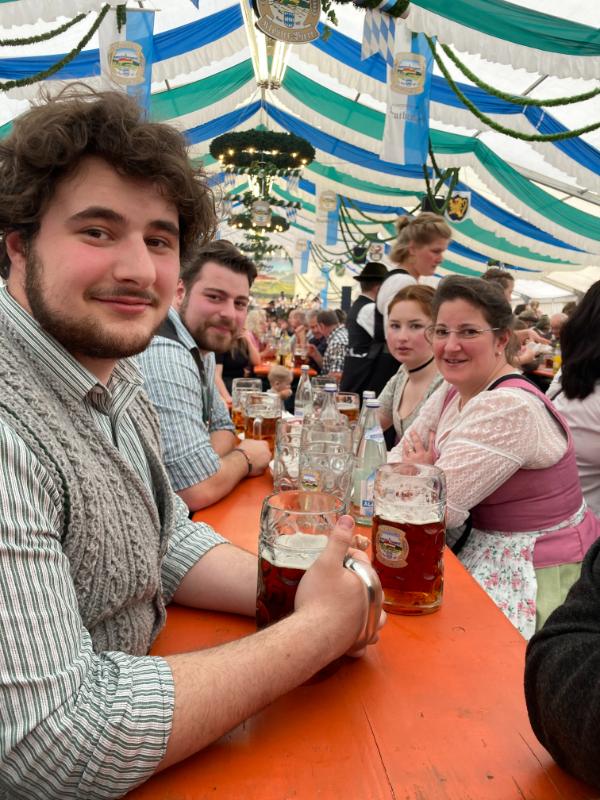
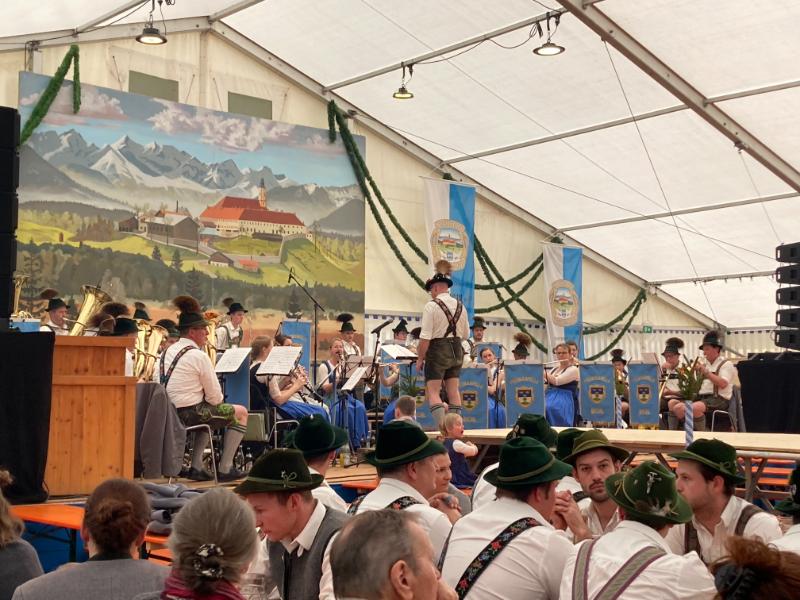
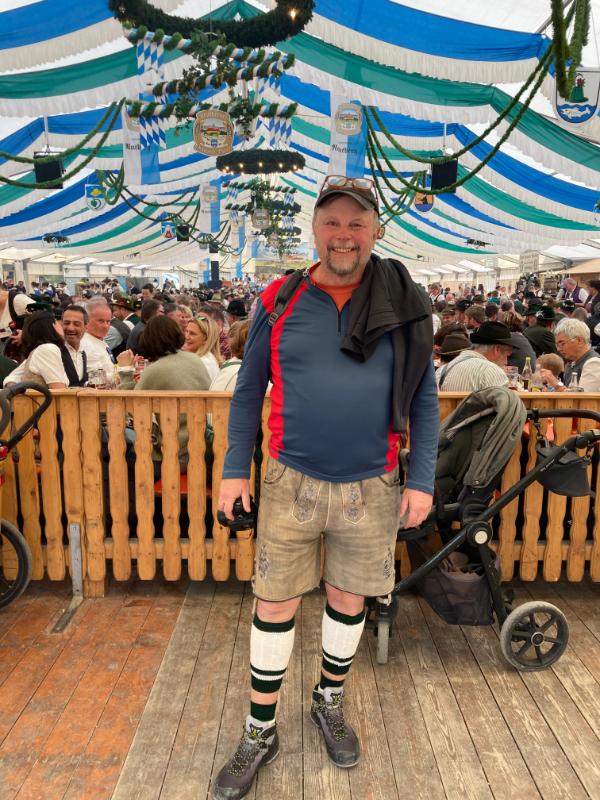
As we approached Reutberg hill, a massive festival tent—the Festzelt—rose unexpectedly from a fallow farm field below the monastery like a cathedral of canvas. This was Josefifest. Dedicated to St. Joseph (the patron saint of workers and a namesake to half the men in Bavaria), the festival is a cornerstone of the regional calendar.
We said our goodbyes to our hiking companion and squeezed into the end of an already-packed long table. Our tablemates were a lively sight: a multigenerational family, from kids to a grandfather in full Tracht (traditional dress). They welcomed us with an easy, slow conversation that made us feel less like tourists and more like distant cousins. In a poetic twist, the patriarch of the family noticed my interest in the brewery and proudly showed me his own co-op pin—a mirror of the one we had seen in the forest.
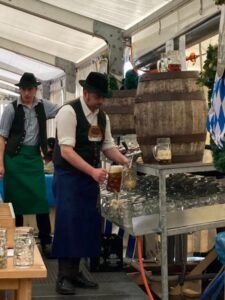
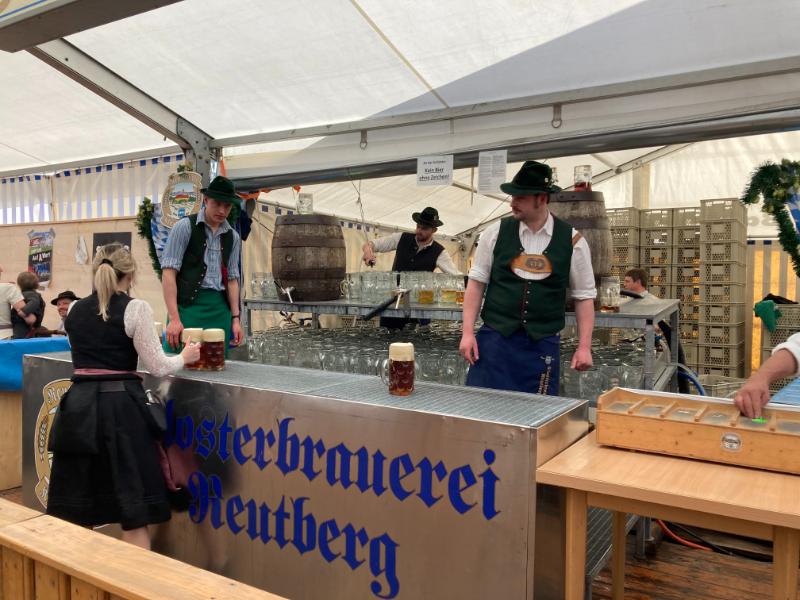
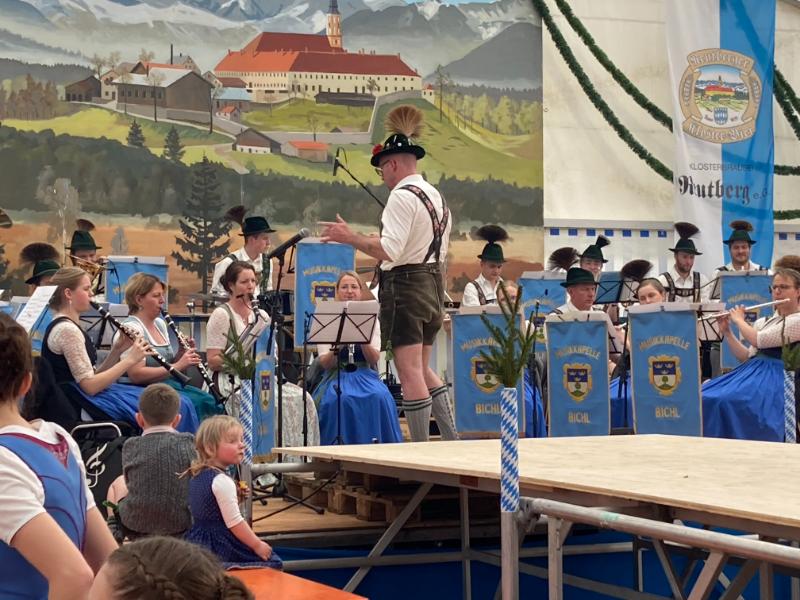
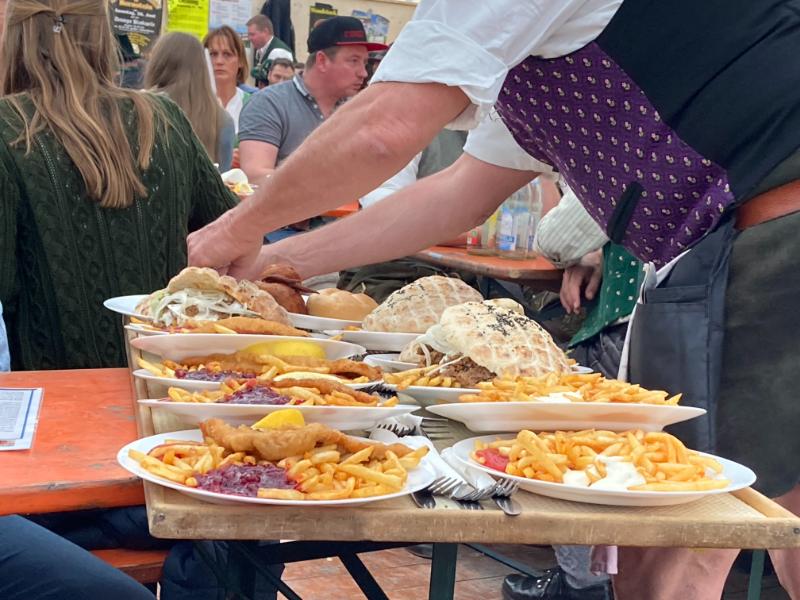
The atmosphere in the tent was more magic. It felt less like a commercial festival and more like a massive family reunion. The air smelled of woodsmoke, roasted chicken, and damp earth. A brass band sat on a raised stage, playing traditional music with the startling, crisp precision of an orchestra. Waitstaff blurred past, carrying impossibly oversized trays of traditional fare. I ordered my customary half-chicken (Hendl), roasted on a spit until the skin was crackling and golden, the meat falling off the bone.
But we were truly there for the Josephi Bock.
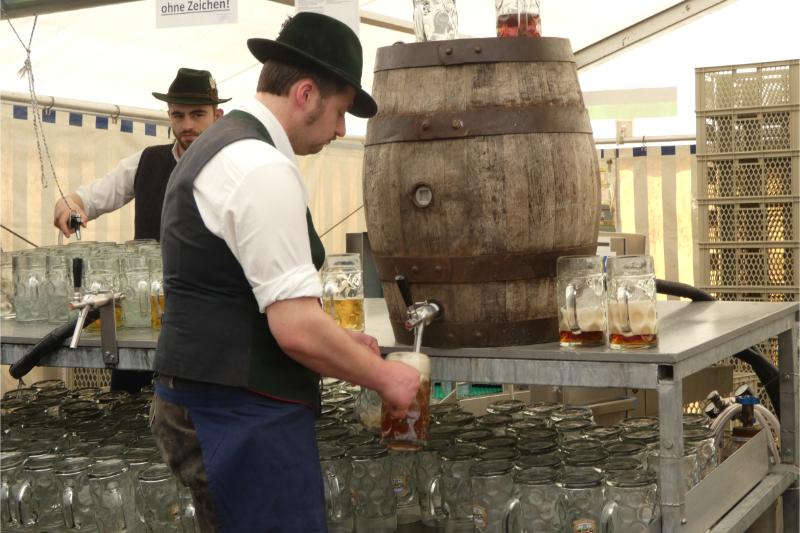
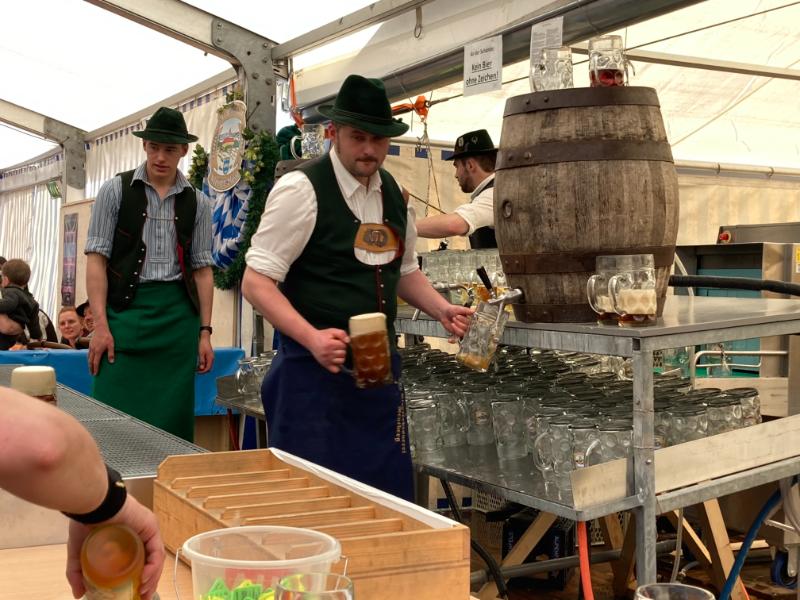
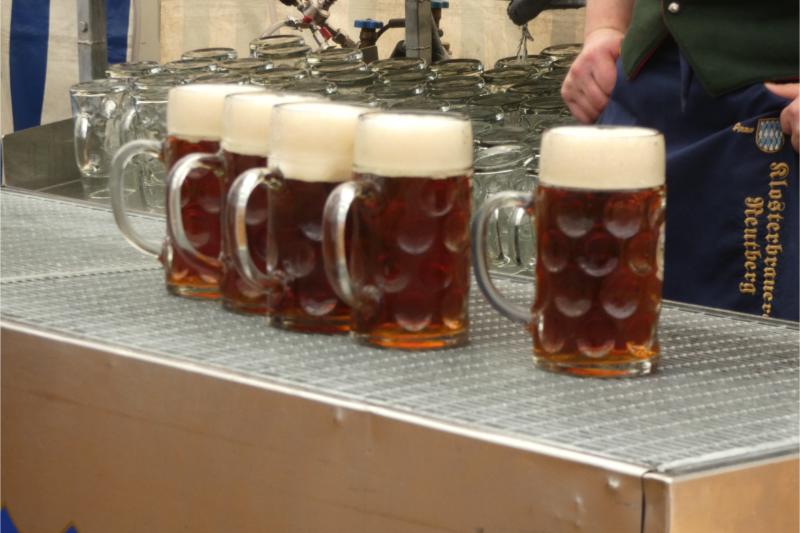
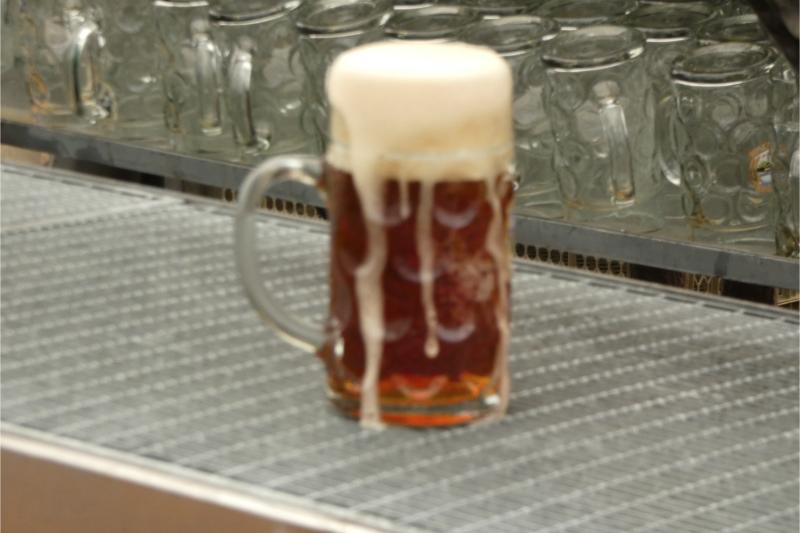
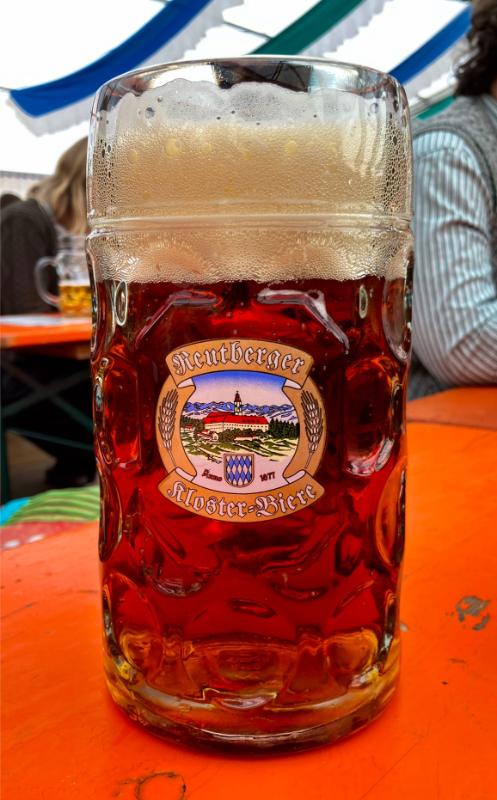
This isn’t just a beer; it’s a monument. Poured into a heavy, dimpled maß (the traditional 1-liter glass beer mug), Josephi Bock is a deep mahogany treasure with a creamy, tan head. It is rich, malt-forward, and carries a gentle warmth that settles in your chest. It tastes of dark bread, toasted nuts, and a hint of plum, balanced by a clean bitterness that belies its strength. It is, quite simply, one of the finest liquid expressions of Bavaria, and it was my favorite beer of the trip.
Hours later, we retraced our steps. The hike back through the fields and forest toward Schaftlach was slower this time, fueled by the Josephi Bock and the glow of the setting sun hitting the Alps. As the BOB train sped us back toward the city lights of Munich, I realized that Josefifest wasn’t just a beer festival—it was a celebration of a community that refused to let its history go dry.
Stop 3: The Beast—Paulaner am Nockherberg
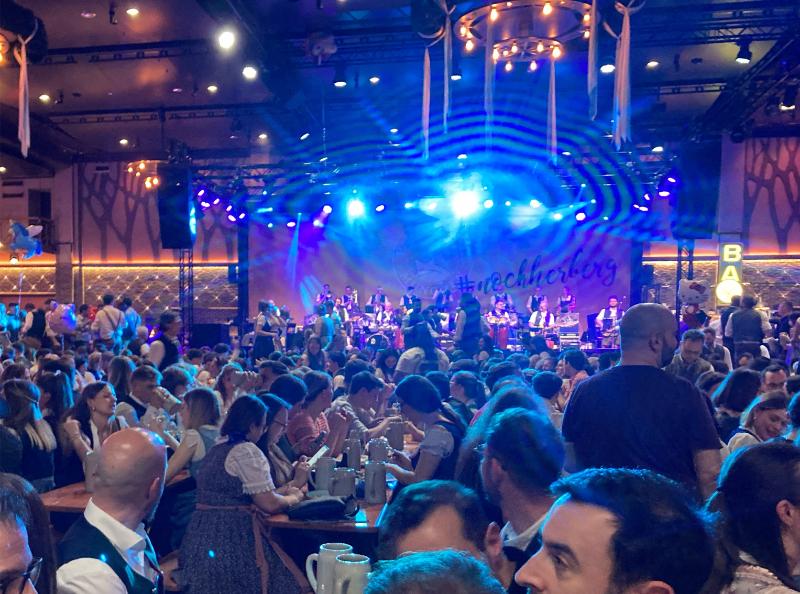
If Freising was a folk song and Reutberg was a symphony, Paulaner am Nockherberg was a high-decibel rock concert. This is the undisputed epicenter of Starkbierzeit, and simply getting through the door is a feat in itself. There are no ticket sales at the entrance; every seat in the cavernous hall is pre-booked months in advance.
We only managed to infiltrate the “Holy of Holies” thanks to two American brothers—fellow beer tourists who had purchased an entire table many months earlier and were selling off their extra seats. It was a stroke of serendipity that plunged us straight into the belly of the beast.
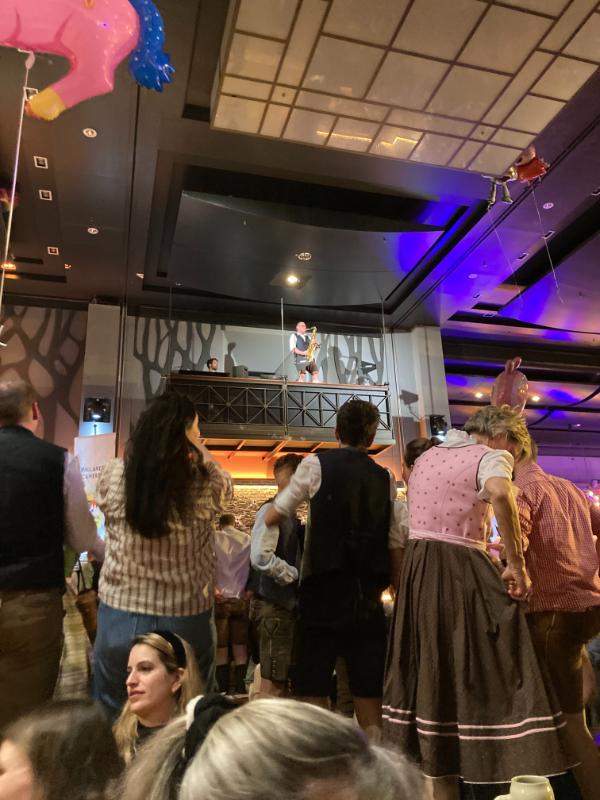
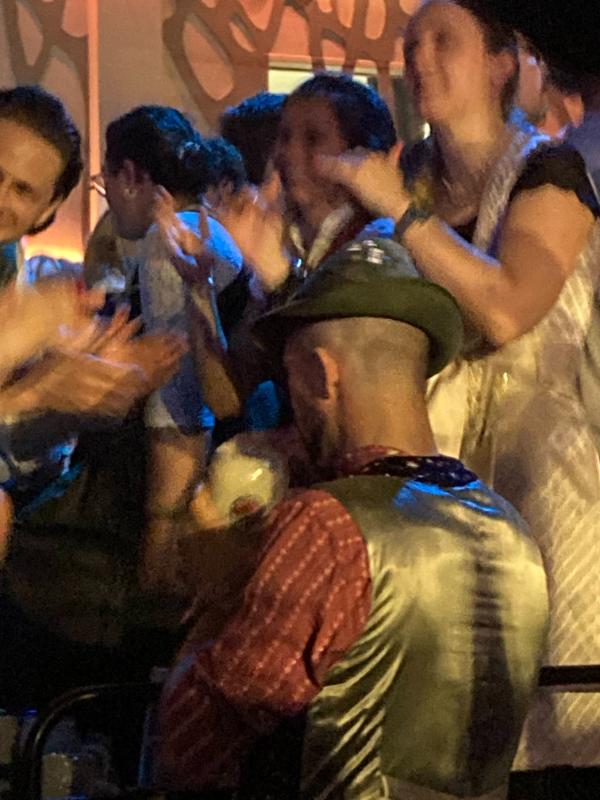
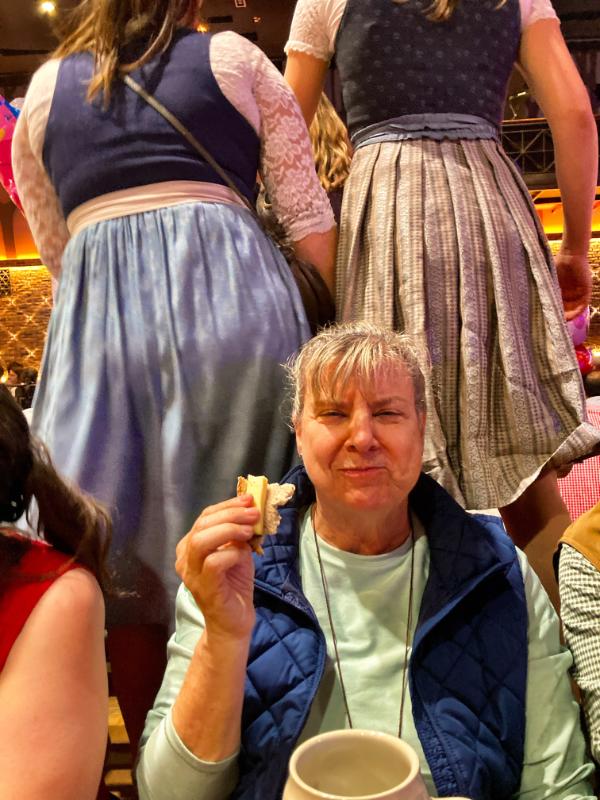
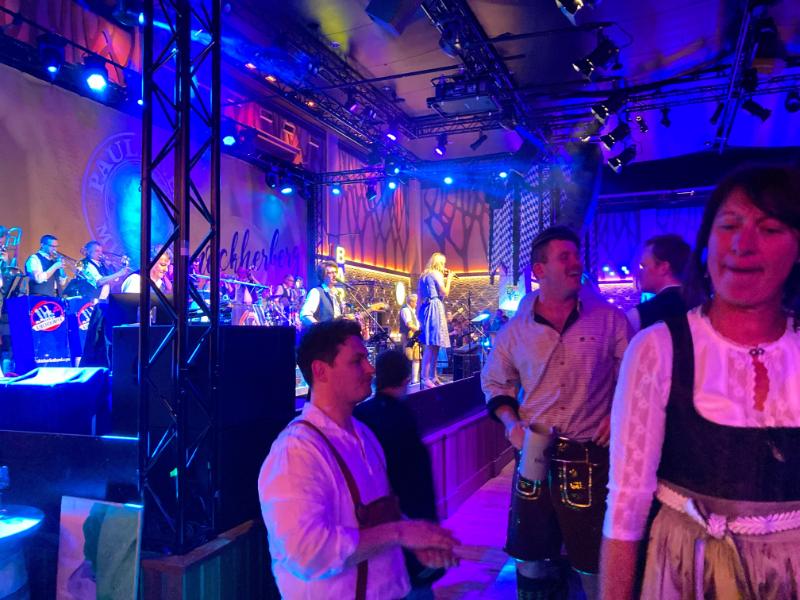
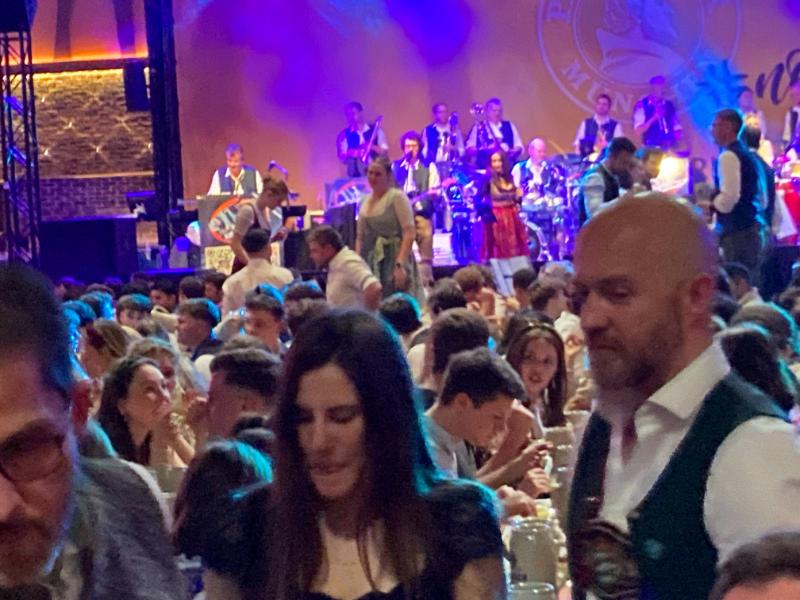
The moment we stepped inside, I was struck by the demographic shift. While Reutberg felt like a family reunion, Nockherberg was a young person’s game. I instantly felt every bit of the “old guy” that I am, surrounded by throngs of 20- and 30-somethings. Everyone was decked out in vibrant, colorful Tracht. The Dirndls were brighter and less modest, and the Lederhosen shorter, but the commitment to tradition was still there.
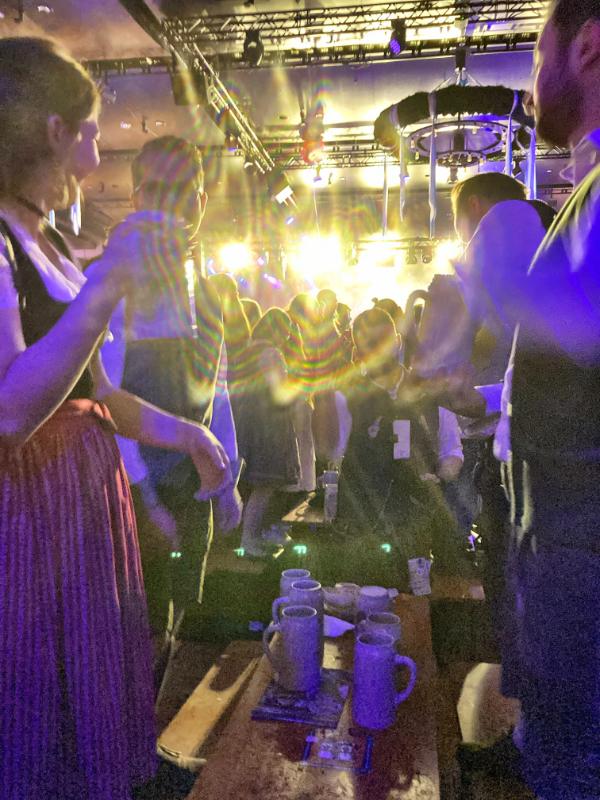
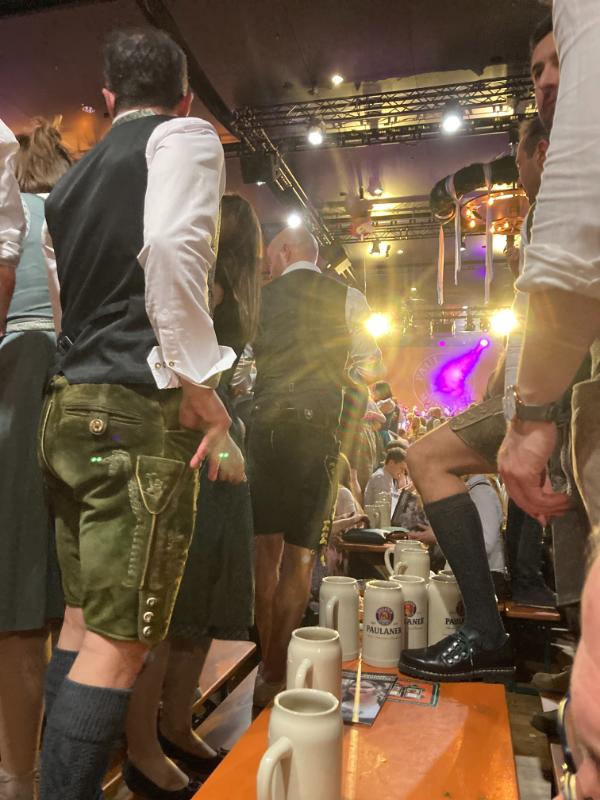
Finding our table was a physical challenge, and once we jammed in, conversation was difficult. The volume was tectonic. A youthful, pulsating band was pounding out sing-along hits—the kind that turn thousands of people into a single, roaring choir. The crowd wasn’t just sitting; they spent most of the night standing on the narrow wooden benches, which flexed and groaned under the weight of their rhythmic jumping. Watching the benches bend, I was certain we were moments away from a structural collapse, but the Bavarian engineering held firm. It was intense, loud, sweaty, joyous chaos.
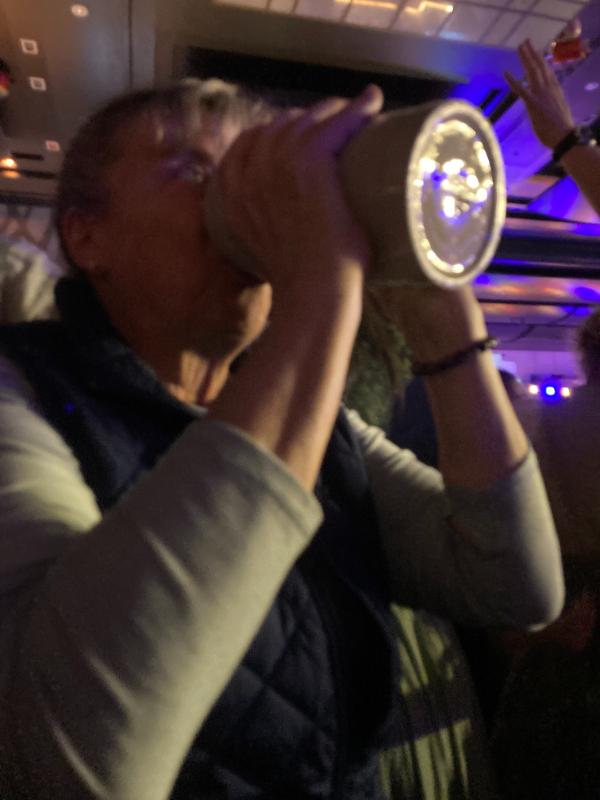
Then, there was the beer: the legendary Paulaner Salvator. Unlike the glass steins found elsewhere, the Salvator here is served in traditional Keferloher—heavy, opaque clay jugs. While the stoneware is excellent for keeping the beer cold, it robs you of seeing the brew’s rich, dark color. My friend Rich told me later that the clay mugs are the perfect disguise for the “weaker” drinkers. Many of the young revelers, he claimed, were actually drinking Helles (light lager) instead of the potent Doppelbock to survive the night, and in the clay mug, no one but the waitstaff is the wiser.
It’s worth noting that Nockherberg isn’t always a rave. The festival offers a variety of sessions to suit different temperaments. If you want biting political satire and a traditional atmosphere, aim for the Derbleckn (a televised event where comedians mercilessly roast local politicians who sit in the front row, forcing pained smiles). If you want a more family-friendly vibe, there are “Traditional Sundays” with seated brass music. But we had stumbled into a “Party Session,” a high-energy marathon that felt like the pulse of modern Munich.
As we finally spilled out into the cool night air, ears ringing and legs tired from the sheer energy of the room, I realized that Starkbierzeit has a gear for everyone. Whether you want a quiet bock in a Freising pub or a bench-shaking party at Paulaner, the “liquid bread” is there to see you through.
The “Ator” Marathon: A City-Wide Tasting
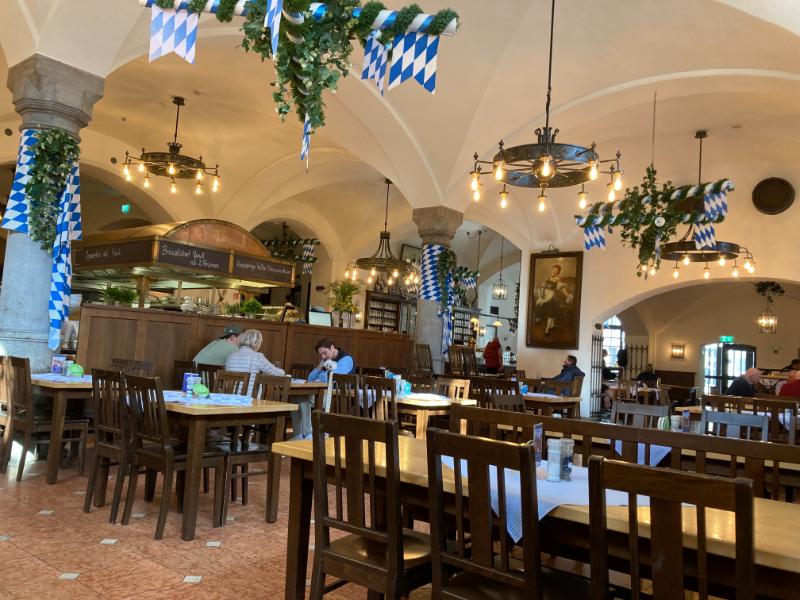
They say Starkbierzeit is a marathon, not a sprint, and while I couldn’t get everywhere I wanted to go, I made an honest try. I missed the full-blown festival crowds at the legendary Augustiner and Löwenbräu halls (other big party hubs), but I made it my mission to track down their potent offerings at quieter times.
At the Augustiner Keller, I finally met the cult-favorite Maximator. It is a dangerous beauty—smooth, velvety, and kissed with a subtle sweetness that makes its considerable strength almost too easy to overlook. In contrast, the Triumphator at the Löwenbräukeller offered a different personality entirely: a slightly drier, more hop-forward Doppelbock that stood its ground with a clean, firm finish.
The journey even took me to the world-famous Hofbräuhaus, though not for the usual tourist spectacle. I was there to share a bock and conversation with Rich Carbonara, also known as the “Beer Wanderer.” An American expat who has built a life guiding beer hikes through the Bavarian countryside, Rich was the perfect companion for a boisterous afternoon in the hall. Hofbrau didn’t have their Delicator available that afternoon, so we enjoyed a nice Maibock. I found the Delicator elsewhere.
Seeking out the modern side of the tradition, I headed to Giesinger Bräu for their Innovator. This hazy, reddish-brown Doppelbock was a delight, offering a complex profile of caramel and toasted nuts with a surprisingly delicate fruity aroma.
Of course, some of the best discoveries happen at a local pub. It was there that I found Spaten’s Optimator, a perfectly balanced, malty classic, and the world-renowned Ayinger Celebrator. The Celebrator is a masterclass in brewing: a deep mahogany pour crowned by a thick, tan head that refuses to quit. Every sip is a tapestry of toasted bread, raisins, and figs, layered with notes of coffee and cocoa. It leaves you with a gentle, boozy warmth, like a liquid hug.
No Starkbier pilgrimage is finished without a stop at Schneider Weisse, steps away from the city center. While they are arguably the undisputed kings of wheat beer in Munich, their Aventinus Eisbock is a revelation of a different order. To create this “starkest of Starkbiers,” they freeze the original Weizenbock to concentrate the sugars and the alcohol, resulting in a staggering 12% ABV. It is an intense, concentrated masterpiece—a dark swirl of spice and plum that lingers long after the last drop is gone. It was the perfect, potent exclamation point to my journey through the “fifth season.”
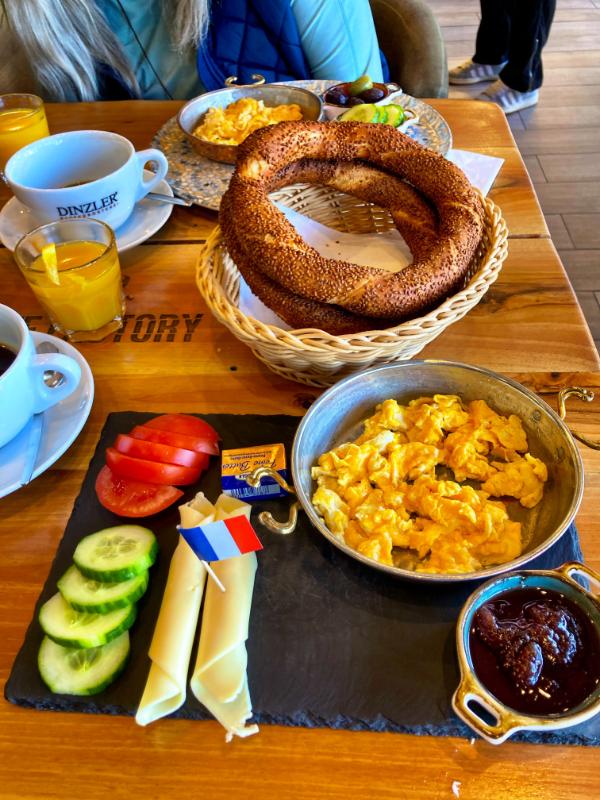
Breakfast of Champions 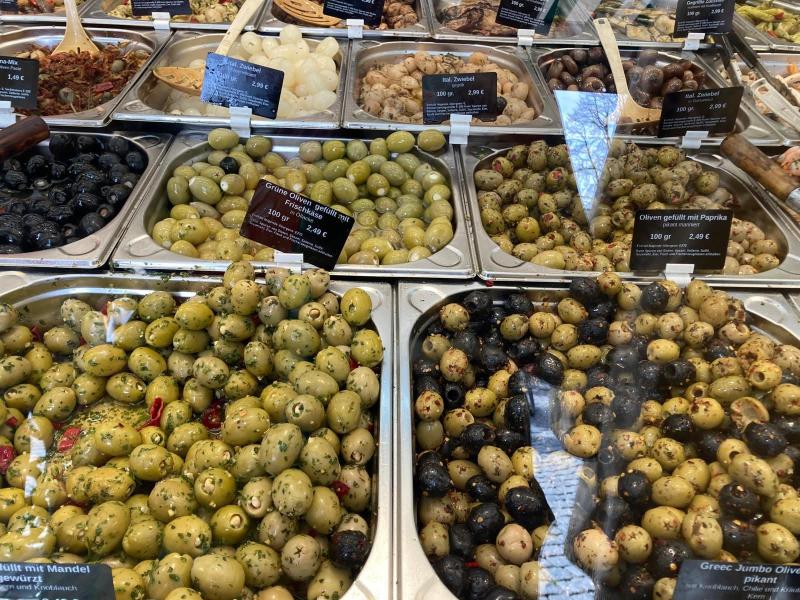
Goes great with starkbier 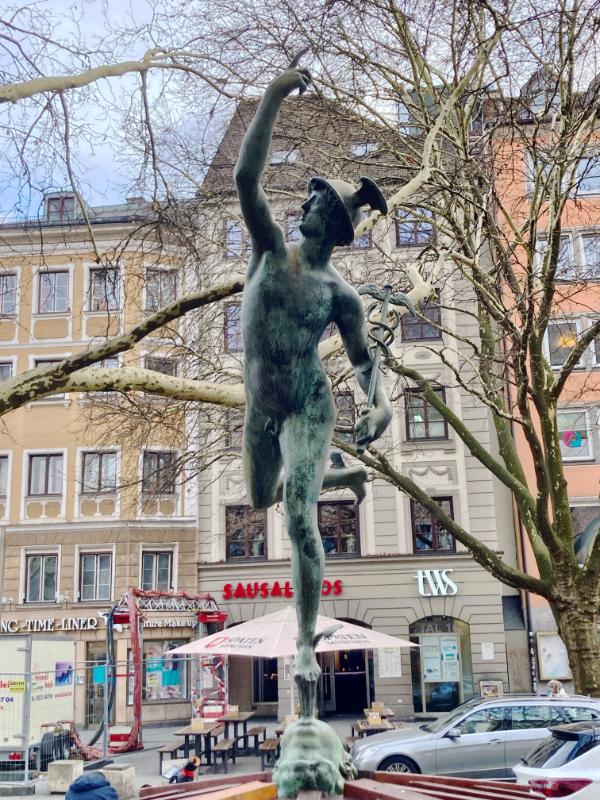
a champion 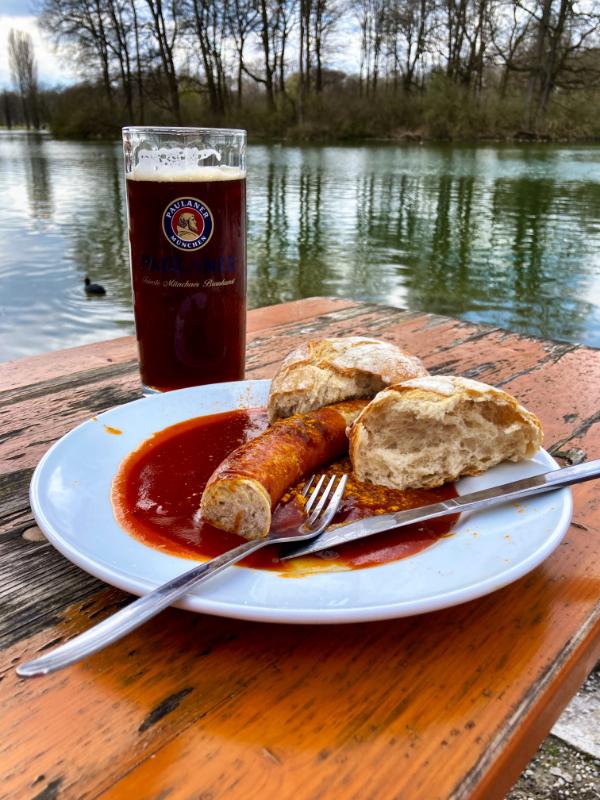
Currywurst goes great with starkbier 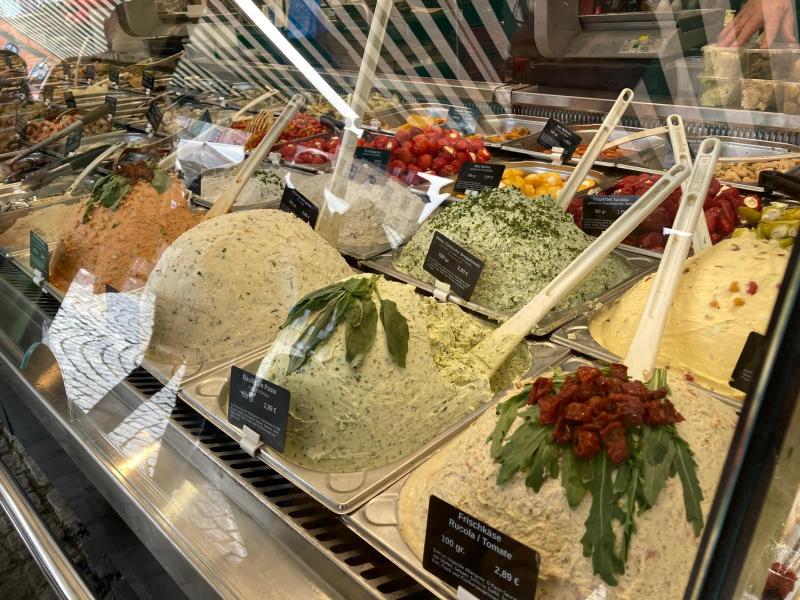
Goes great with starkbier 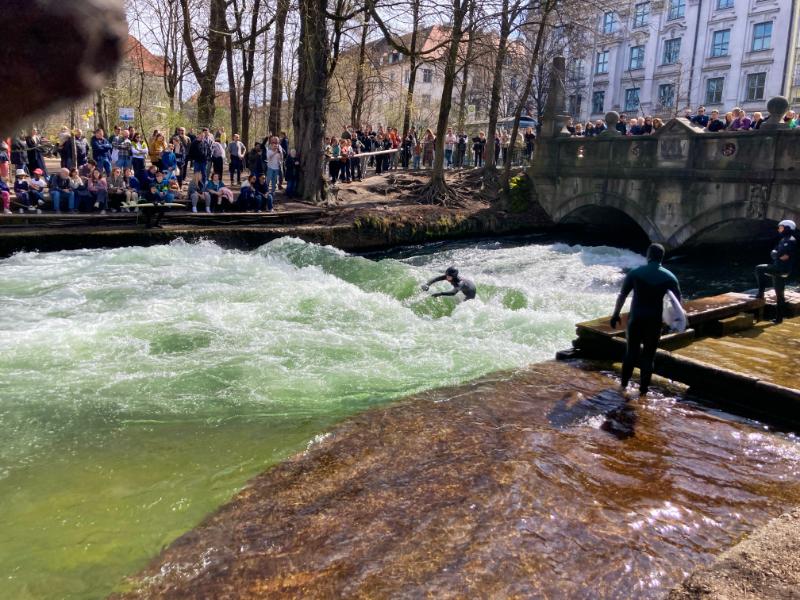
Eisbach 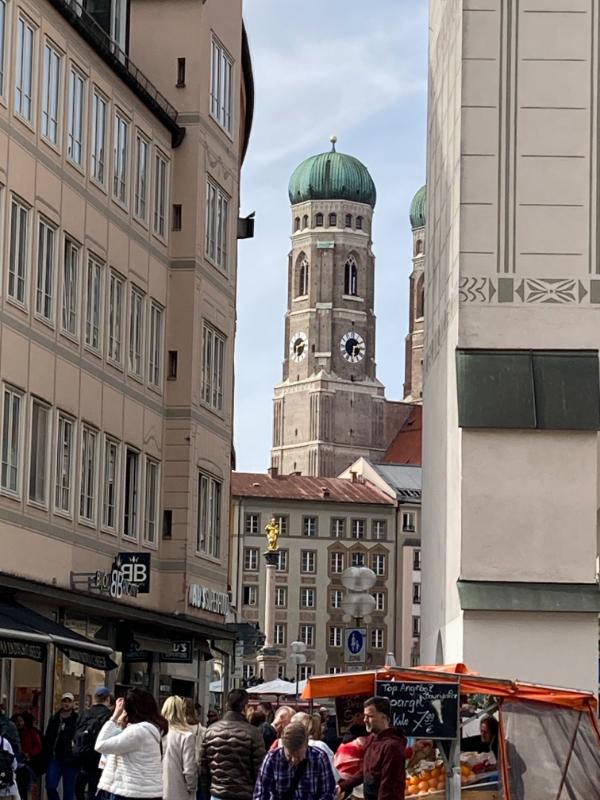
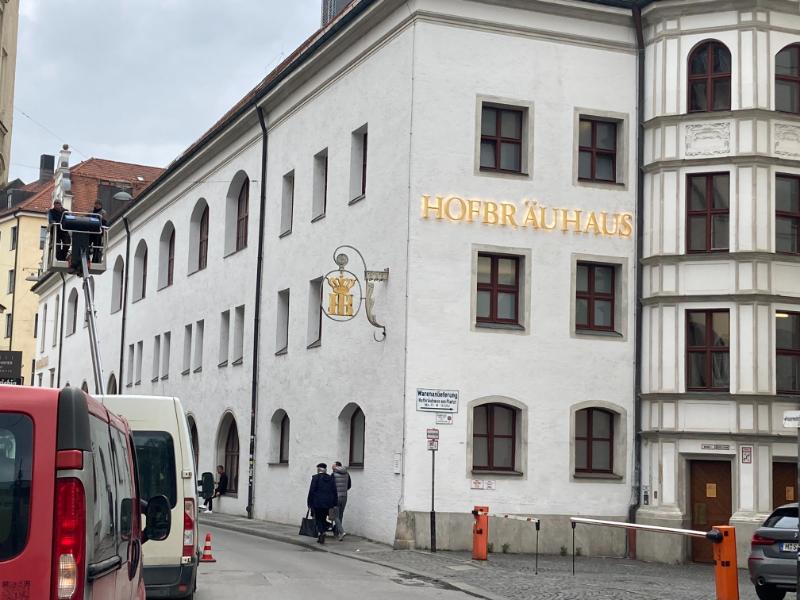
Hofbrau Haus 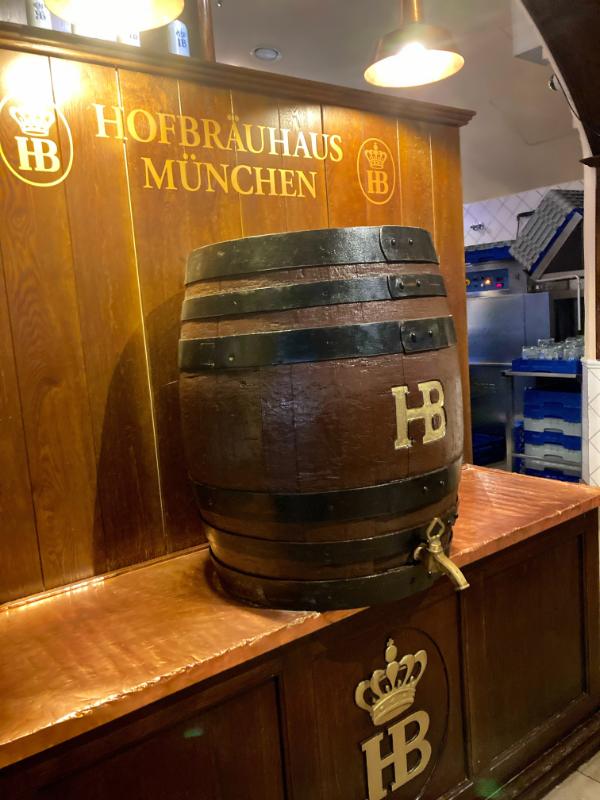
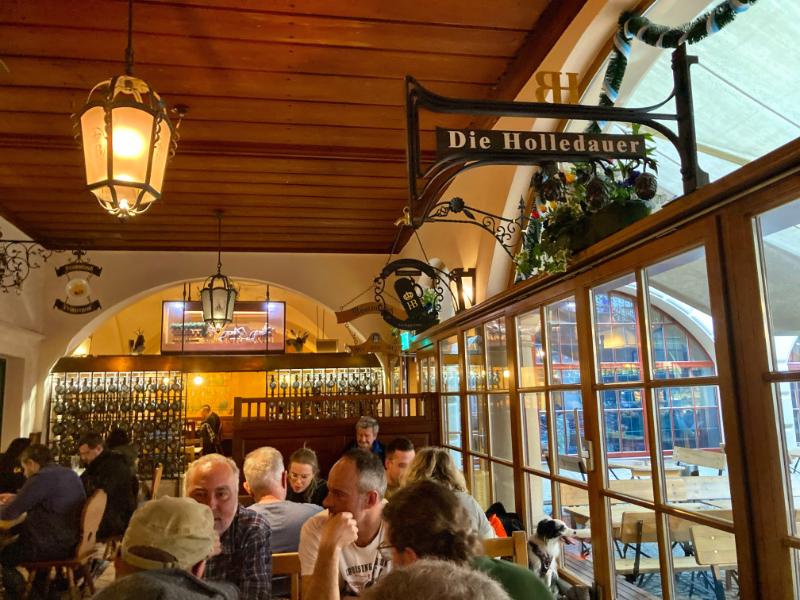
stammtisch row 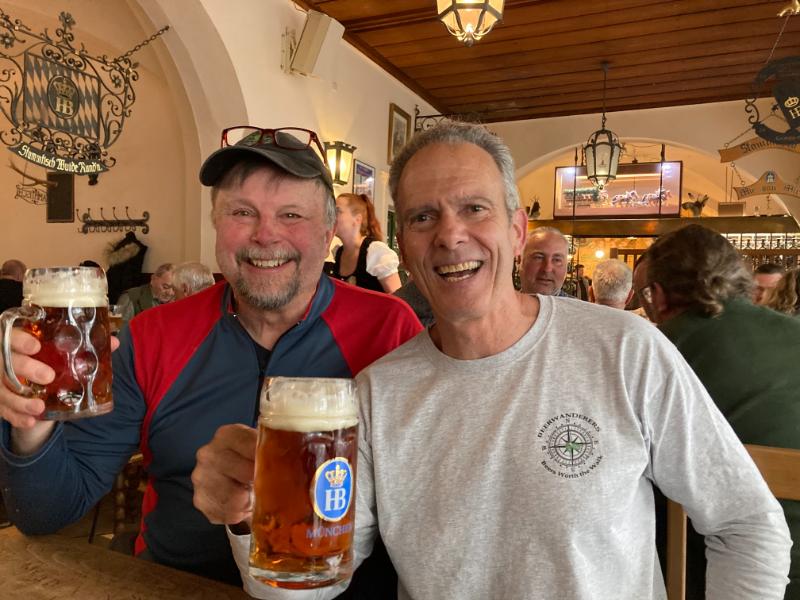
with the beer wanderer 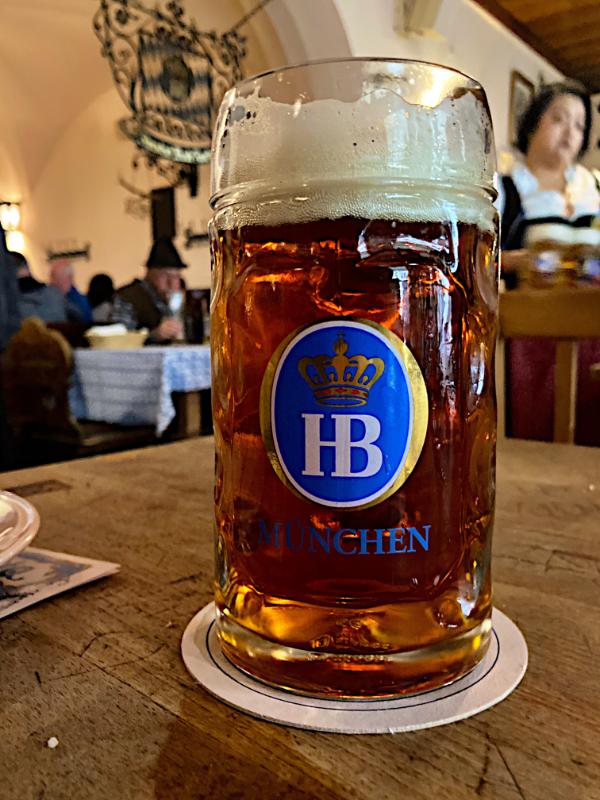
Hofbrau Maibock 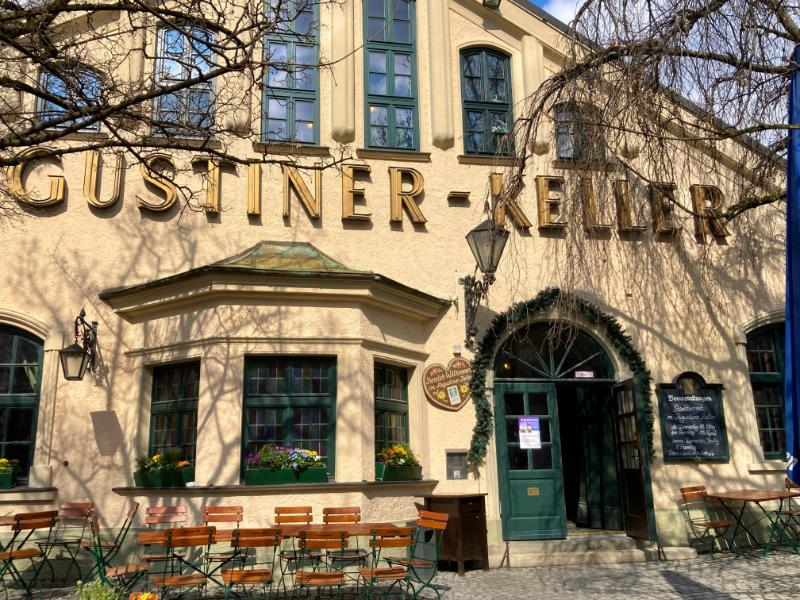
Augustiner Keller 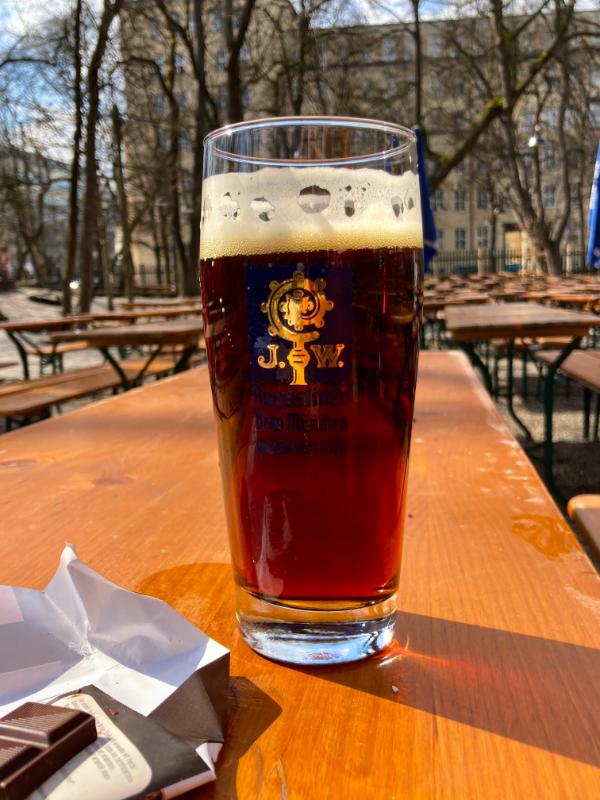
Maximator 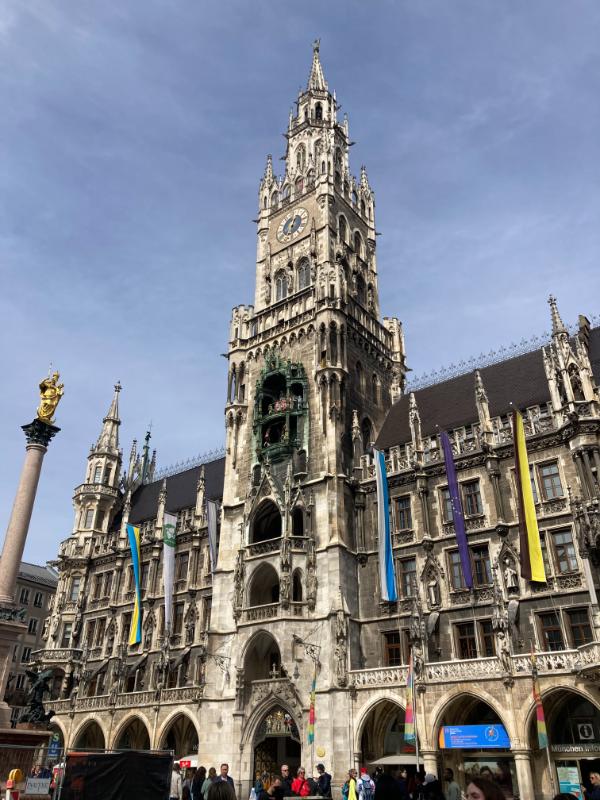
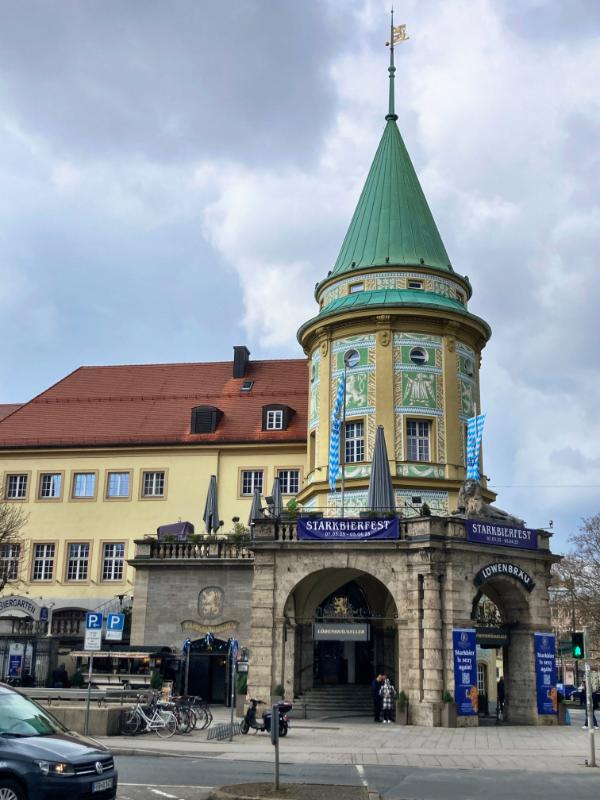
Löwenbräukeller 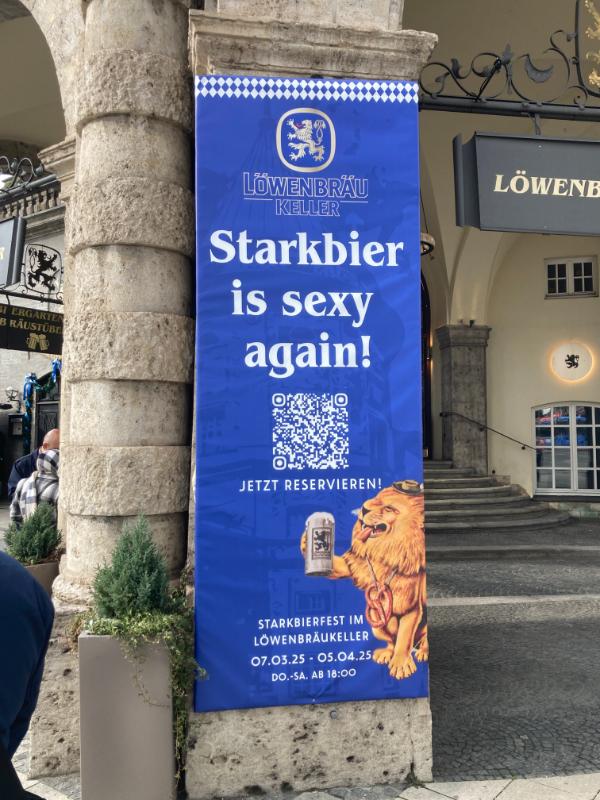
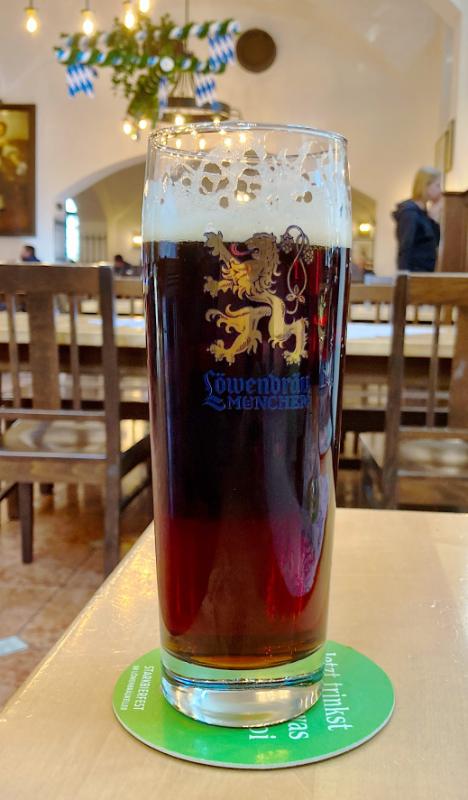
Triumphator 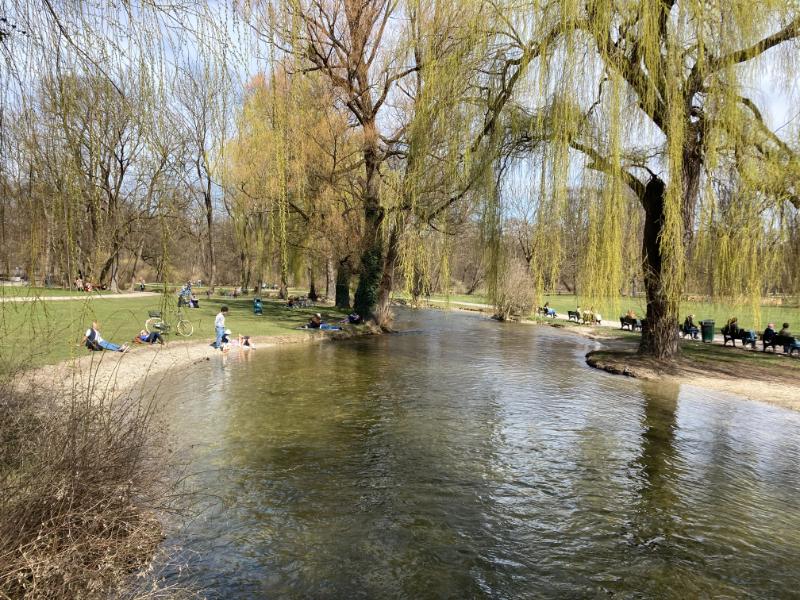
Englischer Garten stroll 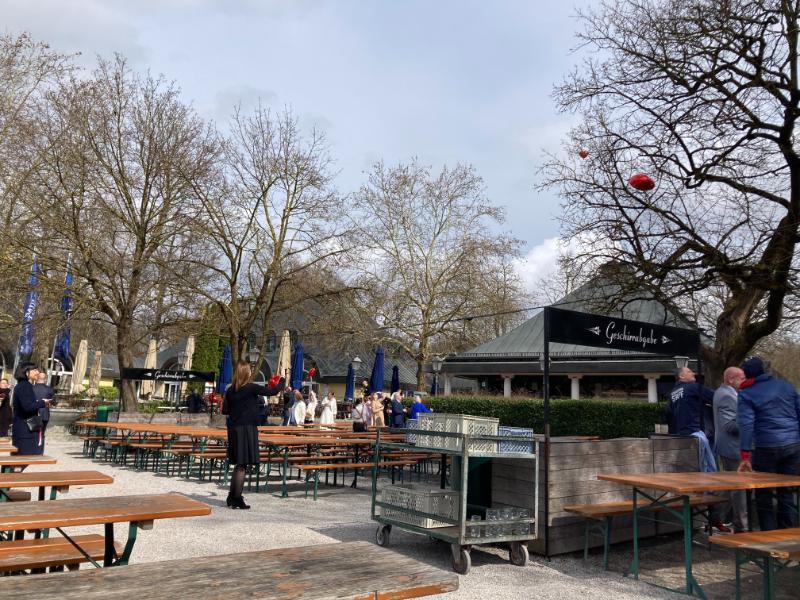
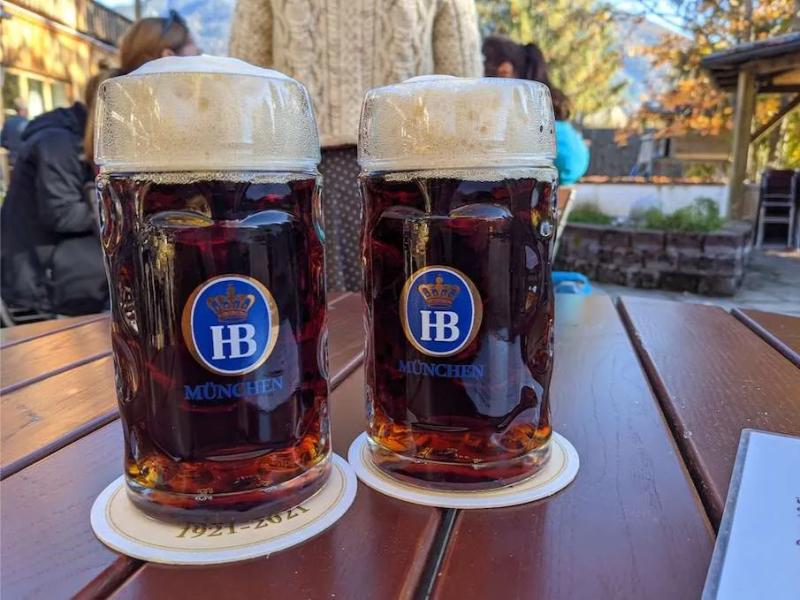
Finally found a Hofbräu Delicator 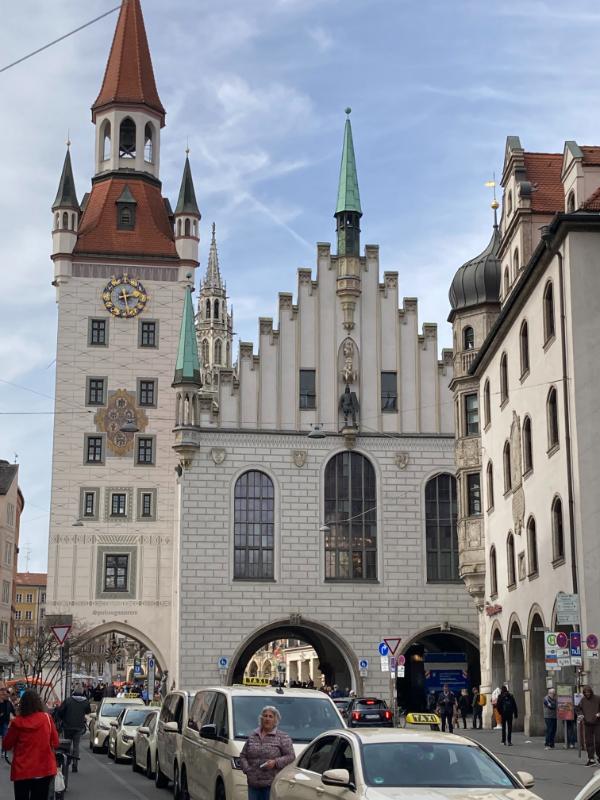
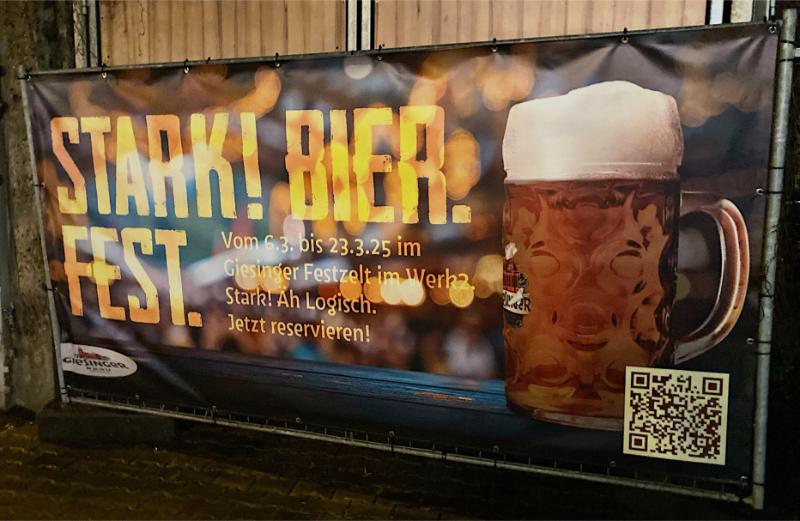
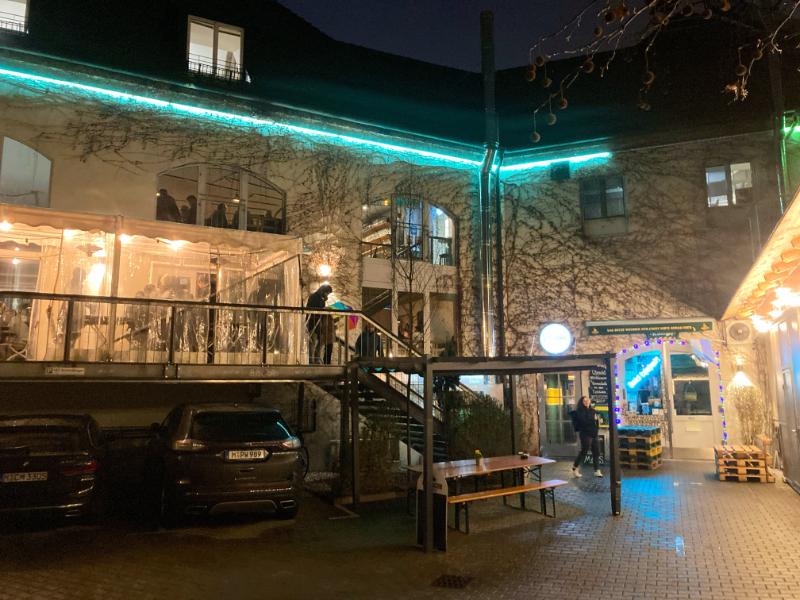
Giesinger Bräustüberl 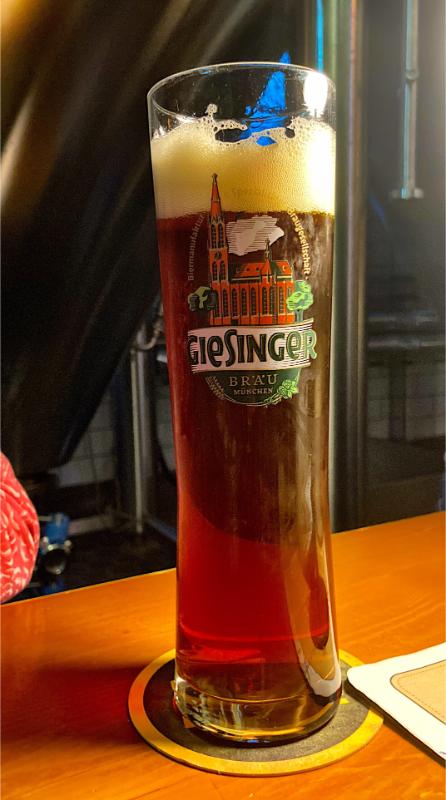
Innovator 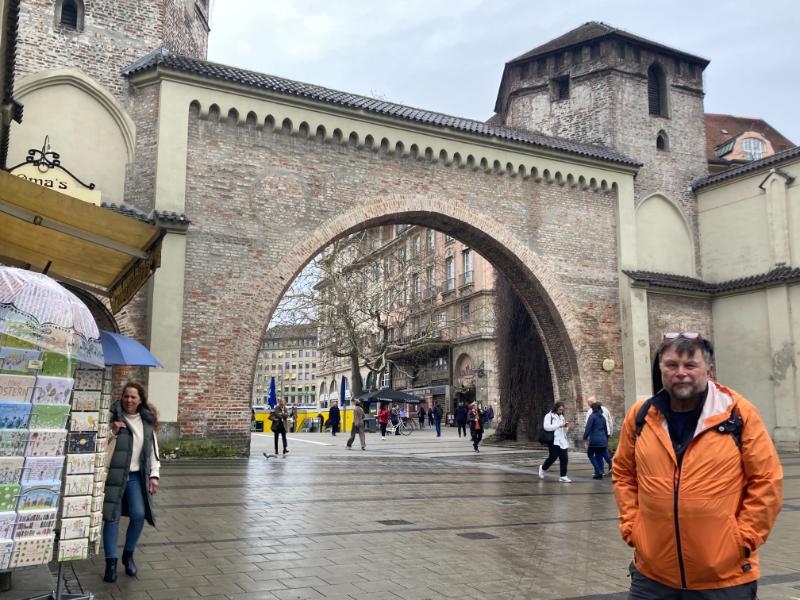
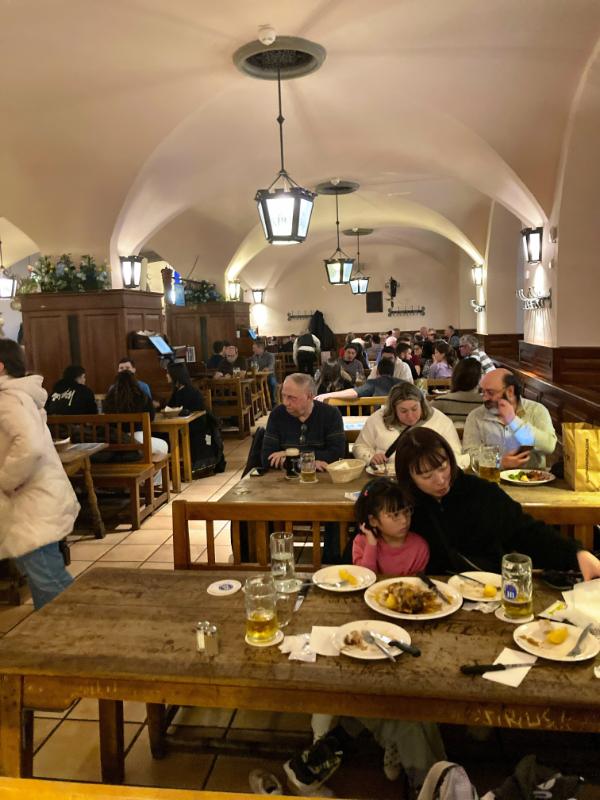
Augustiner Braustubn 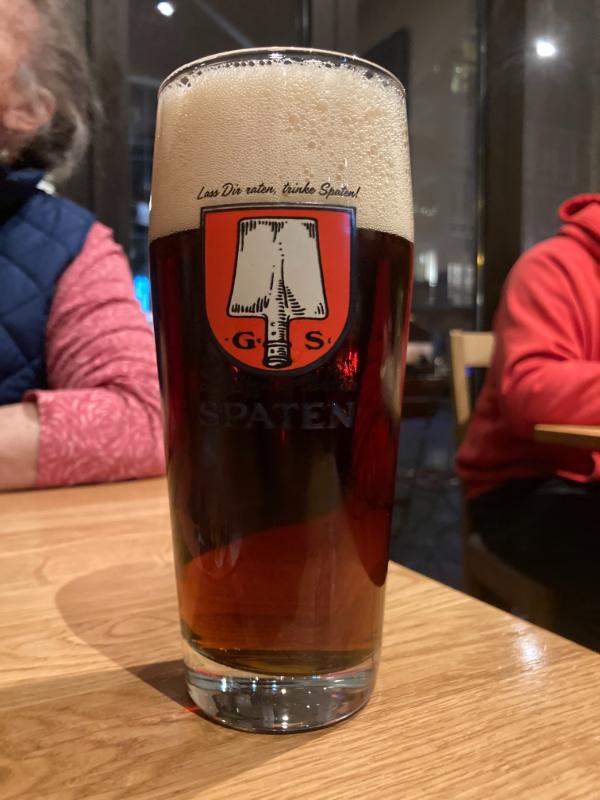
Optimator 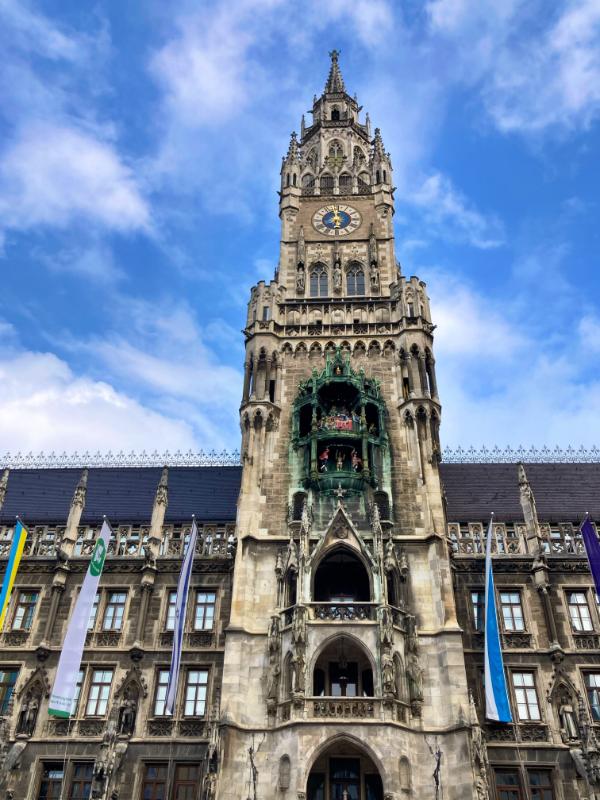
Rathaus tower 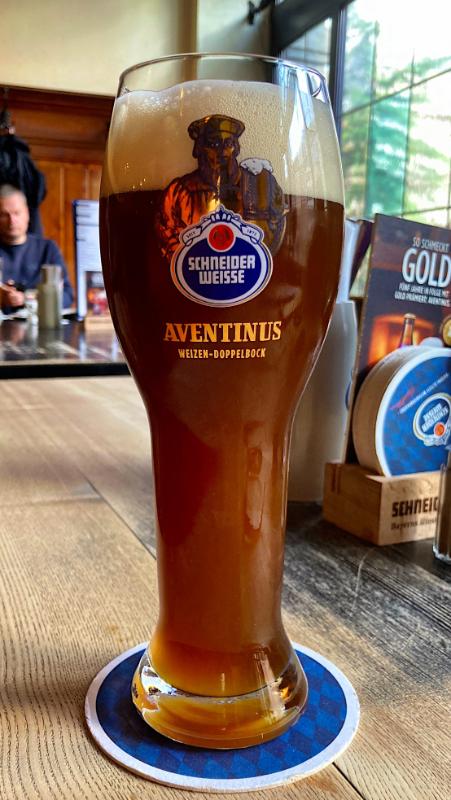
Schneider Aventius 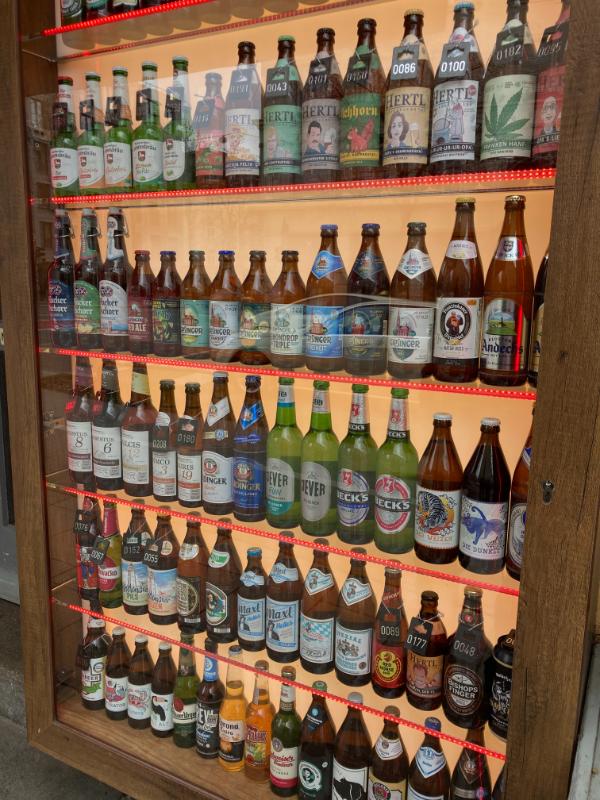
big selection at Kiosk Reichenbachbrücke 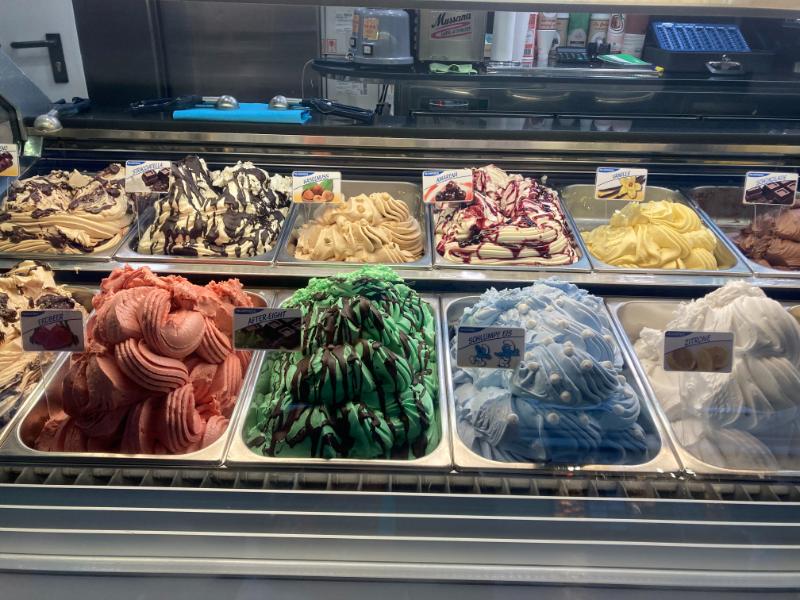
Gelato goes great with starkbier
Starkbierzeit vs. Oktoberfest: A Contrast
Whenever I talk about this journey, the inevitable question arises: “So, is it just like Oktoberfest but smaller?”
The answer is yes—but also a resounding no.
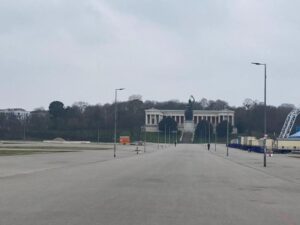
Oktoberfest is the world’s most famous autumn spectacle. It is a sprawling, sun-drenched whirlwind of millions of international tourists, towering carnival rides, and the “Wiesn” midway, all centered on the massive open grounds of the Theresienwiese. The beer there is a golden, quaffable Märzen—designed for celebration and high-volume toasts.
Starkbierzeit, by contrast, is a brooding, less flashy, and more intense older brother. Taking place in the biting cold of late winter, the festivities move indoors, tucked away in historic beer halls scattered across the city and the surrounding countryside. The crowds are still pretty big, but they are concentrated in dense, high-energy pockets where the air is thick with the local Bavarian dialect rather than English or Italian.
And then there is the beer itself. You don’t “chug” a liter of 8% Doppelbock; you negotiate with it. A Maß of Starkbier is a commitment, a slow-sipping experience that demands respect and stamina.
If Oktoberfest is a lighthearted autumn fling, Starkbierzeit is a deep, serious relationship. It is darker, weightier, and far more potent. But sitting in a heated hall, surrounded by the hum of a centuries-old tradition (and the occasional wild table-thumping party), you realize that this “liquid bread” is more than just a drink. It is a survival kit for the end of winter, a reminder that while the wind still bites outside, spring is finally beginning to brew.
A Bittersweet Farewell: The Warmth of the Season

As I sat on the plane waiting on the runway, I realized that my Starkbier adventure was never just about the beer. It was about the incredible, hidden diversity within a single, centuries-old style. From the monastic solemnity of the first Doppelbocks to the experimental energy of modern interpretations, every beer I tried offered a unique testament to Bavarian craftsmanship.

This trip was a deep immersion into a culture that values the slow and the steady. It was found in the pride of the co-op members at Reutberg, the welcoming smiles of families at the Grüner Hof, and the shared roars of sing-alongs at Nockherberg. It was a celebration of community—a reminder that a well-crafted brew is best enjoyed when shared with strangers who quickly feel like friends.
Prost, until next Starkbierzeit.
Leave a Reply